


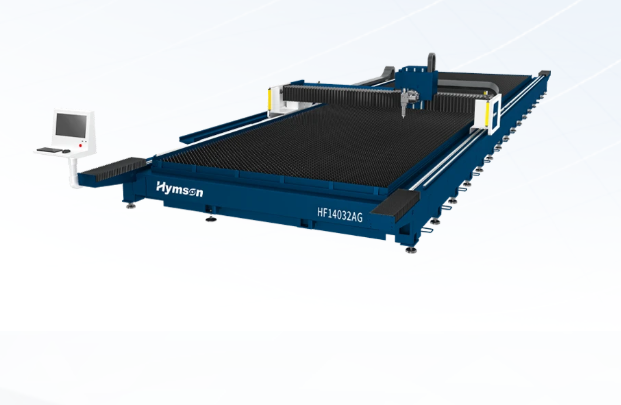
What to Check Before You Commit to a High-Power Laser Cutting System
Spot the real problems first
Buying a factory-level machine because a brochure looks slick is how shops end up with downtime and buyer’s remorse. Start by listing the headaches you actually want solved — throughput, cut quality on thick plates, consumable access, or after-sales service — and test vendor claims against those needs. If you’re comparing specs, make hands-on demos a hard requirement and bring actual parts; a high power laser cutting machine that performs on paper won’t always behave the same under your fixture or material mix.
Why these problems keep popping up
Two things cause most failures: mismatch between machine capabilities and real production requirements; and gaps in support. Sales sheets focus on peak power and cycle times, but they rarely show maintenance windows, spare-part lead times, or how the controller handles real nesting errors. Ask for measured cut samples from material you use and insist on transparent MTTR (mean time to repair) numbers from references.
A clear verification checklist you can use
Demand a factory acceptance run on your parts; verify thickness ratings at your feed rates; check pierce times and edge deburring for the metals you cut; confirm available nozzles and their replacement cost; confirm local spare stock and certified service partners; test the control software with your CAD/CAM files and nesting strategy; ask for training plans for operators and technicians. If a vendor balks at any of these, treat that like a red flag.
Common mistakes that waste budget
Oversizing for “future needs” without backlog to justify it; assuming vendor training equals operator competence; ignoring facility changes required for ventilation, power or handling; trusting advertised cutting thickness without verification; skipping warranty fine print that ties service to OEM-only consumables. Each of those adds months of delay or tens of thousands in hidden costs.
Experience-backed checks and one real-world anchor
I’ve audited fabricators who cut everything from thin stainless panels to 25 mm structural steel; the shops that stay profitable test machines with production-like runs and insist on measurable service KPIs. Trade shows like FABTECH in Chicago routinely showcase machines and field data, and many case studies reported there highlight how true duty cycles differ from lab claims — so don’t accept a number without seeing it under load. Also verify specific machine performance by requesting documentation on beam quality, cooling system capacity, and spindle or assist-gas specs; those determine real-world cut speed and edge quality for a high power fiber laser cutting machine, not the peak-watt headline.
Make the final choice simple
Match verified machine performance to your daily takt time, confirm local support and spare availability, and lock service terms into the purchase. If you want a partner who can supply tested hardware, predictable service, and the documentation you need to sign off on production, consider how Hymson fits into that decision—not as a slogan, but as the practical option whose data and service commitments you can verify before you sign.
