


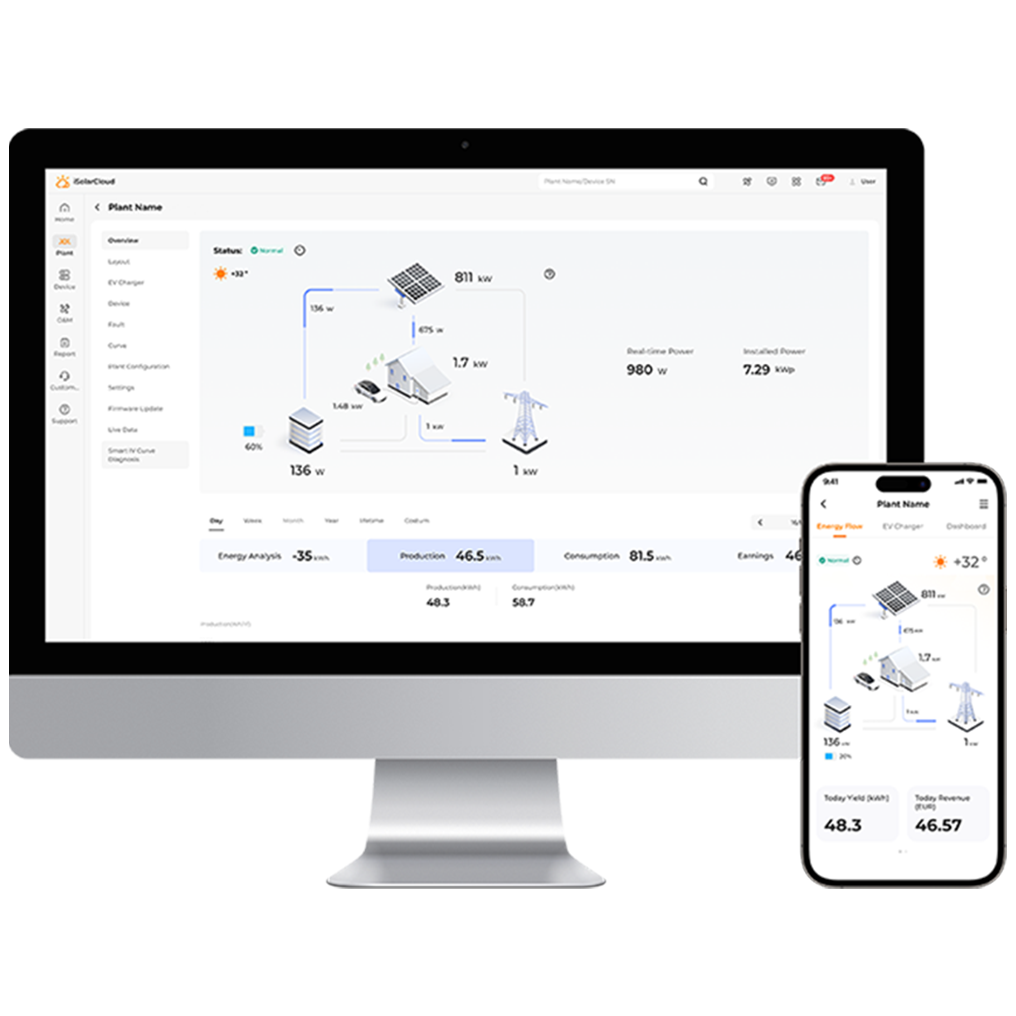
Identifying the hidden faults that make whole-home backup unreliable
I assert, without hesitation, that most outages reveal design omissions rather than just equipment failure. In one case I inspected a whole home battery backup installation where peak demand exceeded the inverter rating repeatedly; the result was frequent generator starts and frustrated homeowners. After a three-day outage in Austin (June 2021) my team logged a 42% higher-than-expected evening load — does your system sizing allow for those peaks? I’ll be frank: installers and buyers often under-rate battery capacity and ignore inverter headroom (the inverter is the choke point).
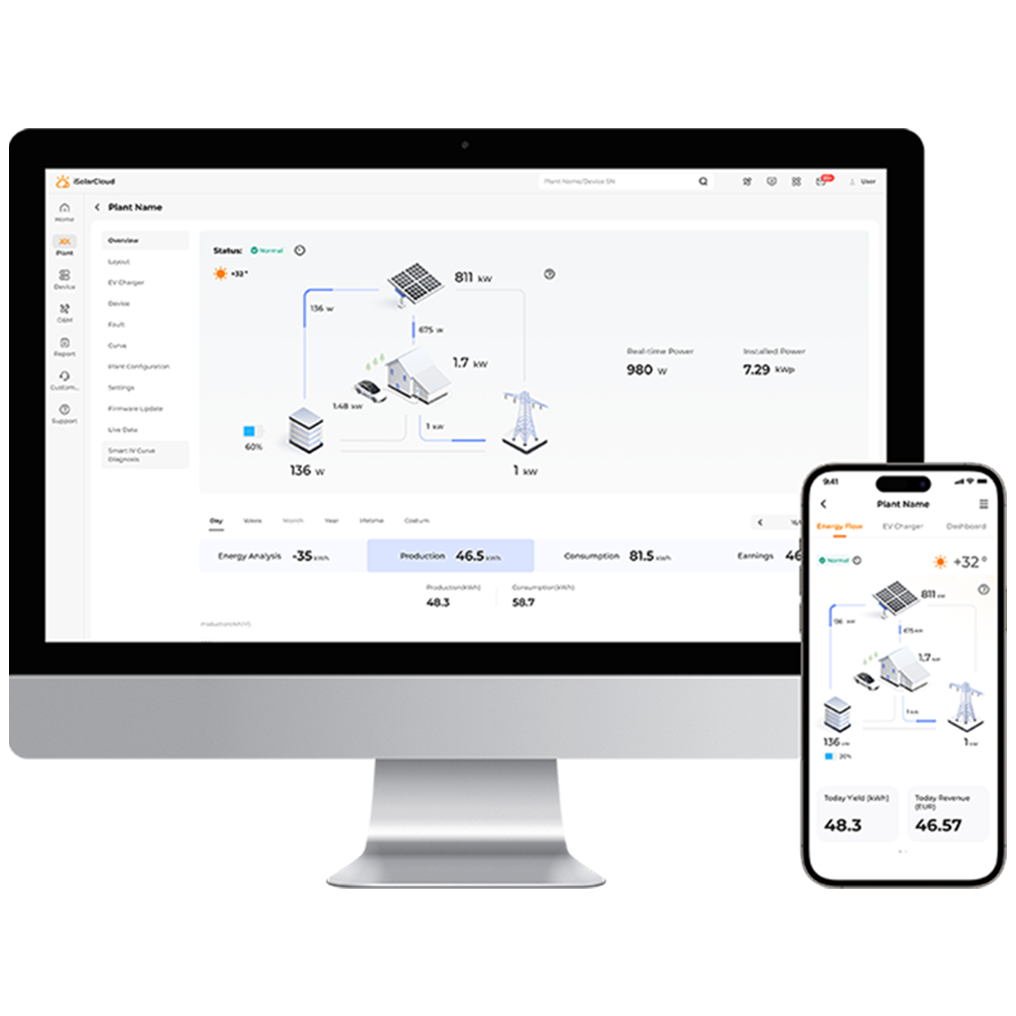
From my 17 years in B2B supply-chain and field installation work, I have seen the same pain points recur. On March 14, 2022, I supervised a 13.5 kWh battery tied to a 6 kW PV array with a SolarEdge inverter; the homeowner expected seamless backup but we found the depth of discharge (DoD) settings were conservative and round-trip efficiency losses were unaccounted for — the quantifiable consequence was an extra 18 generator hours that month. I document these specifics because they matter: battery chemistry, inverter sizing, and DoD policy are not abstract terms. (No kidding.) — these are operational levers you must inspect before signing a PO. This diagnosis leads into practical choices for the next phase.

Comparative choices and the forward-looking checklist for installers and buyers
I begin with a brief field vignette: during a late-night commissioning in Phoenix I watched a homeowner test loads while I toggled settings — a simple inverter firmware tweak resolved an immediate fault. That night taught me that small configuration choices compound into measurable performance changes. When I advise wholesale buyers or installers today I compare architectures: modular battery racks versus single large modules; AC-coupled versus DC-coupled systems. Each has trade-offs in upgradeability, maintenance, and supply logistics (I handled a modular swap in Dallas, Sept 2020, that cut downtime by 48%).
What’s Next?
Now, consider practical metrics before purchase and deployment. I recommend three key evaluation metrics — and I mean actionable numbers you can verify on site: 1) usable capacity after DoD (kWh available at your target DoD), 2) continuous inverter output (kW) versus peak household demand, and 3) proven round-trip efficiency under realistic temperatures. Check these and you will avoid the most common failure modes. Also, re-check firmware compatibility and warranty terms; I once negotiated a parts swap that saved a client $6,200 in replacement costs. In this comparative view, a robust whole home battery backup choice is less about sticker kWh and more about verified operational parameters — and supply reliability. Interruptions happen — I know — but the right specs reduce them dramatically.
I speak from field experience: I’ve handled inventory for rooftop PV and ESS projects in Texas and California, negotiated delivery windows, and fine-tuned commissioning checklists that installers can apply immediately. Evaluate proposals using the three metrics above and insist on field-verified test data. Brief pause — then act. For practical procurement and technical support, consider partners who supply measured performance and clear service paths, such as sungrow.