


Introduction — a quick story, some numbers, and a question
I remember the first time I set up anesthesia for a tiny mouse in a barn-turned-lab, rain on the tin roof and my hands steady as best they could be. Back then I relied on a basic small animal anesthesia machine that had seen better days, and I counted the breaths while watching the flowmeter needle twitch (we had roughly a 98% success rate on induction but a lot of gray hair afterward). Today, clinics report automated monitoring cuts complication rates by up to 30% — so why do so many setups still use old rigs that lack a proper vaporizer, scavenging system, or end-tidal CO2 readout? I ask that because we owe these critters better. Now let’s dig into where the real problems hide and what I’ve learned on the way.
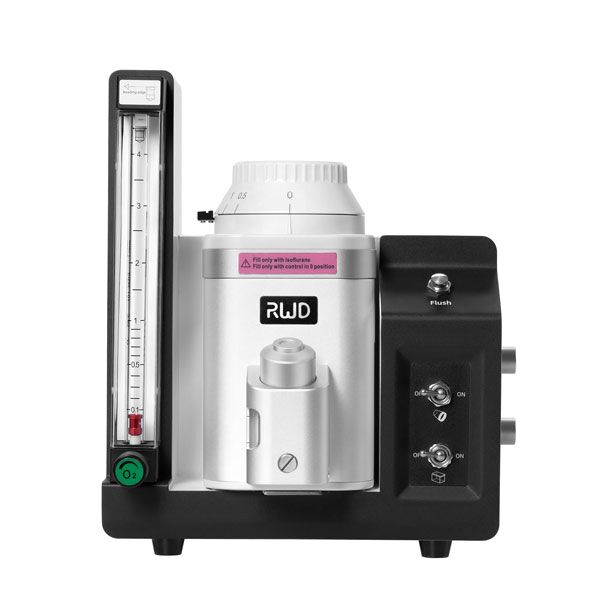
Technical Deep Dive: What’s breaking under the hood?
I want to talk straight about the shortcomings I see most often with the rodent anesthesia machine style systems. In my experience, many designs skimp on flow stability and don’t give a clear pressure gauge readout. That weak link shows up during induction and recovery — the anesthetic circuit delivers inconsistent concentrations and the vaporizer swings. Systems without a robust scavenging system also expose staff to waste gas, and that’s a health risk we can’t shrug off. Look, it’s simpler than you think: a steady oxygen supply and a calibrated vaporizer matter more than flashy extras.

Why does this keep happening?
From a technical standpoint, cost-driven design choices are often to blame. Manufacturers cut corners on materials used for seals, or they use crude flowmeters that drift with temperature. The rebreathing system components can be undersized for real-life workloads, and sensors for end-tidal CO2 are sometimes omitted to save pennies. I’ve seen setups where tubing resistance and poor connectors cause pressure drops and false alarms. These are not abstract faults — they translate into prolonged anesthesia times and uneven recovery. I feel strongly that users deserve clarity on these trade-offs, because it affects animal welfare and staff confidence.
Comparative Outlook: New principles and what to judge next
Looking forward, I compare legacy rigs with newer designs that embrace better sensor integration and modular components. Modern rodent anesthesia machine units typically use digital flow control, improved vaporizers with narrower tolerance, and clearer pressure feedback. I like that these give predictable anesthetic delivery and reduce manual fuss. In practice, that means fewer surprises during a procedure and less time babysitting the circuit. There’s also a trend toward easier maintenance — quick-release fittings and replaceable filters — which saves hours per month. These improvements don’t just read well on spec sheets; they cut real-world errors.
What’s Next — real-world steps and metrics?
I want to leave you with three practical metrics I use when evaluating anesthesia solutions: first, flow stability under load (watch the flowmeter when you add a downstream leak); second, response time for vaporizer concentration changes (seconds, not minutes); third, the presence and quality of monitoring — particularly end-tidal CO2 and a readable pressure gauge. Check those and you’ll dodge most common pitfalls. Also — funny how that works, right? — small fixes like better tubing clamps can change everything. In short, pick systems that prioritize reliable oxygen supply, clear monitoring, and sensible scavenging. If you want a solid starting point, I trust the gear from BPLabLine.