


Introduction: A hallway that sets the stakes
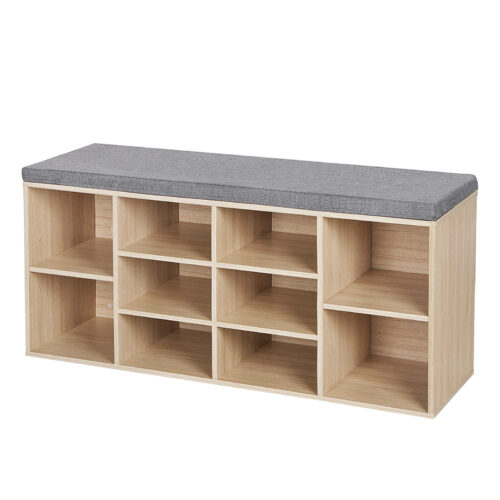
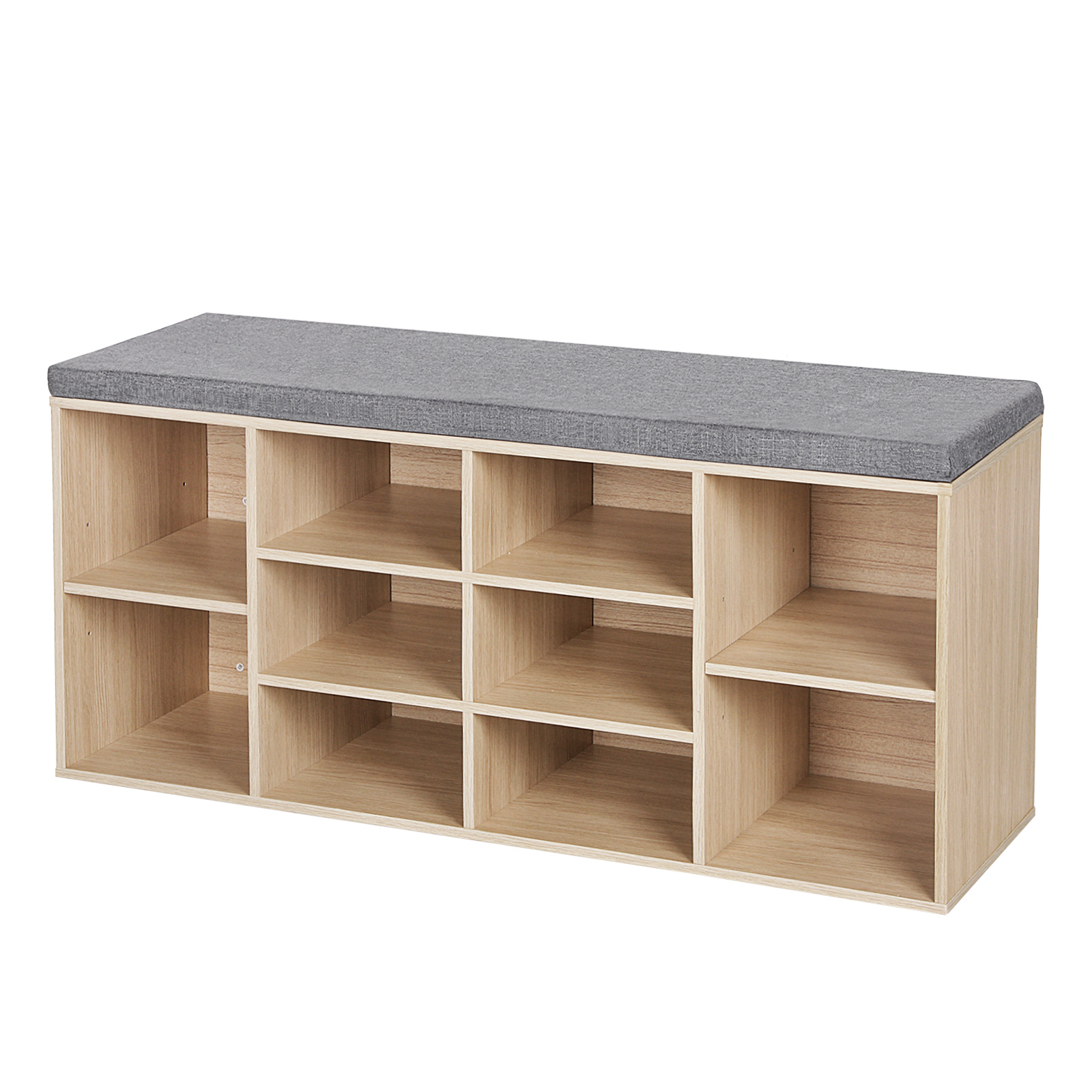
At 7:45 a.m., a store manager slides the last pair of boots into a neat hallway display and exhales—another day balancing sizes, finishes, and backorders. Every shoe cabinet manufacturer promises easy fit and quick ship, yet buyers still sift through a wholesale shoe cabinet catalog wondering which model will actually work in tight city foyers. In many markets, return rates on entryway storage climbed 18% year over year, and damage-in-transit ticked above 4% (small numbers that hurt margins). So why do simple hallway needs lead to complex outcomes?
We’ll compare how choices get made—and what gets missed. Then we’ll map practical steps to reduce friction without raising cost. Ready to move from guesswork to signal? Let’s move to the root causes.
Deeper Layer: The hidden pain points behind bulk buys
Where do cracks appear?
Start with fit. Standard cabinets often ignore baseboards, door swing, and vent intake clearances. The result is wobble, blocked airflow, or units that won’t sit flush. Many lines still cut panels to one-size templates, not to tolerance bands. CNC routing can solve this, but only if the spec includes consistent offsets and a verified toe-kick. Material health is next: retailers ask for low-VOC, yet some batches mix E1-grade particleboard with higher-emission cores. Edge banding can seal edges, but if the glue line is thin, moisture creep wins. And ventilation? If there’s no back panel venting, odor build-up is guaranteed—funny how that works, right?
Now think durability in the field. Hinge cycles rarely match real use. A family opens a door 30–50 times a day; cheaper cam locks loosen by month six. Without load testing on shelves and a clean fastener kit, assembly drags past 40 minutes and support calls spike. Packaging is another leak: poor carton compression ratings let corners crush during a 1.2 m drop test. Meanwhile, ERP data can’t see which width sells out on Mondays, so replenishment lags. Look, it’s simpler than you think: define test metrics, adjust the bill of materials, and wire feedback loops from returns to the line. When UV coating lines, edge banding stations, and QA gates talk to each other, defects fall before they ship.
Next Horizon: Technology principles that will change the score
What’s Next
The fix is not just “better wood.” It’s a new flow. Parametric design lets widths, depths, and toe-kicks adapt to regional housing data, then feed a live BOM to nesting software. That drives exact cuts on CNC, while at-line edge computing nodes track torque values, hinge positions, and carton pressure readings. Power converters stabilize load on UV coating lines, reducing cure defects—and energy waste. Many leading shoe cabinet manufacturers in china now tag parts with QR for traceability, so a shelf that bows in Miami triggers a spec tweak in the next batch. Compare that with batch-and-hope production: fewer surprises, faster fixes, same price band. Add breathable back panels and adjustable vents, and odor complaints drop without adding sku chaos (modular grills, single cut path).
Pulling it together, think in metrics, not slogans. First, fit-rate by room class: target 90%+ install success in 36–42 in alcoves, measured by verified customer photos. Second, assembly time: hold median build under 25 minutes with a capped fastener count and pre-hung hinges. Third, damage rate: keep below 2 per 1,000 shipments via carton compression specs and corner reinforcements—your freight costs will thank you. These numbers align your teams, your factory, and your buyers. And they turn “nice cabinet” into “kept promise.” If you want a reference point for grounding those targets in real production, keep an eye on SONGMICS HOME B2B as you refine your playbook.