


Introduction
I was fixing a small pump on a rainy evening when I realized how often good machines sit idle for lack of simple care. The electric motor that ran the pump was fine, but the system around it — wiring, controller, and even the switch — was a mess. In Pakistan, we see this all the time: old panels, mismatched inverters, and users who simply accept poor performance as fate (aisa hi hota hai). Recent surveys show many small workshops lose 10–20% of runtime to avoidable faults. So I ask: how can we make motor systems actually serve people, not the other way round? This piece will walk through what I have learned, step by step, and point to practical checks you can do right away. Let us move on to the deeper issues that hide under neat specs.
Part 1 — Where the Real Problems Hide: Flaws in Traditional PMSM Deployments
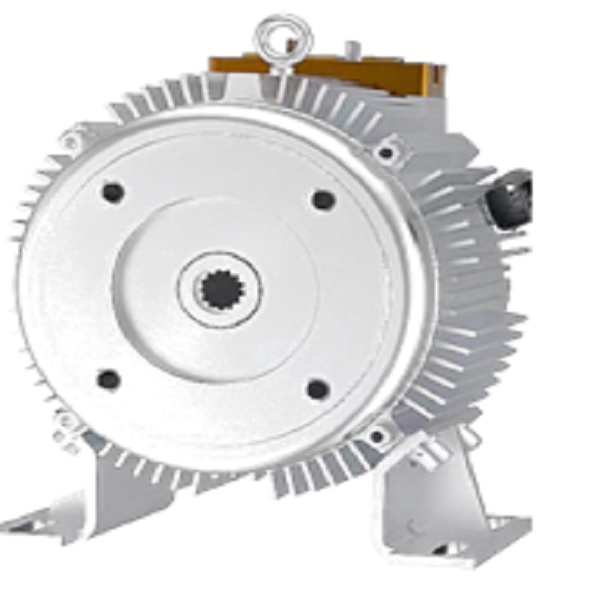
When people pick a pmsm motor, they often focus on rated power and efficiency numbers. That is understandable, but I have found the deeper troubles lie elsewhere. Many installations fail because of control mismatch — the inverter and the controller are not tuned for field-oriented control or for the machine’s torque characteristics. The result: excess torque ripple, higher heat, and unhappy users. I will be frank — manufacturers give good brochures, but real conditions are harsher. We see weak cable sizing, poor grounding, and a lack of routine vibration checks. Sensorless control saves cost, yes, but it can mask low-speed instability if the algorithm is not right. Look, it’s simpler than you think: tune the drive, check the feedback, and inspect mechanical coupling. These steps reduce unplanned downtime and cut maintenance bills. (I say this from hands-on work; we have fixed many such systems with small changes.)
Why do controllers still get it wrong?
Most faults come from assumptions: designers assume steady loads and clean power. In the field, loads vary. Power quality dips. Temperature swings. Field-oriented control demands correct rotor position sensing and an inverter that can handle transient currents. If the inverter is cheap or undersized — or the filters are wrong — you get harmonics and eddy currents that eat efficiency. I have replaced drives that were fine on paper, but in practice the motor heated quickly and bearings failed. That is avoidable with better matching and routine tests. So, focus on the control loop, the inverter capacity, and on detecting torque ripple early. — funny how that works, right?
Part 2 — Forward-Looking: Case Example and Future Outlook for Boat Motors and Beyond
Let us look ahead. I want to share a short case that shows how new thinking helps. A small ferry operator switched to a PMSM-based drive for their auxiliary systems and also upgraded power converters and cooling. The result: lower fuel draw, quieter operation, and far fewer service calls. For marine use, sensors and software changes matter. If you are thinking about boat motors, consider thermal management and torque control strategies early. We used improved inverter topologies and better cooling paths to cut losses. The system also used simple edge computing nodes to log faults so the crew could act fast. These are not luxury features; for commercial users they pay back in weeks. The outlook is clear: smarter control, better matching of hardware, and modest data collection will change ownership cost. The trend will spread to small industries too — technicians will need new skills, yes, but the tools will help. This is promising, and it is practical.
What’s Next for Small Operators?
Focus on these upgrades: smarter inverters that support robust field-oriented control, modest telemetry for fault detection, and attention to mechanical alignment. I recommend pilots on one machine first. Measure before and after. Compare energy use, service hours, and crew feedback. Keep reports simple — charts and a brief note. We did this with three sites and the difference was immediate: less noise; fewer surprises. — and people actually slept better during night shifts.
Conclusion — How to Judge Solutions: Three Practical Metrics
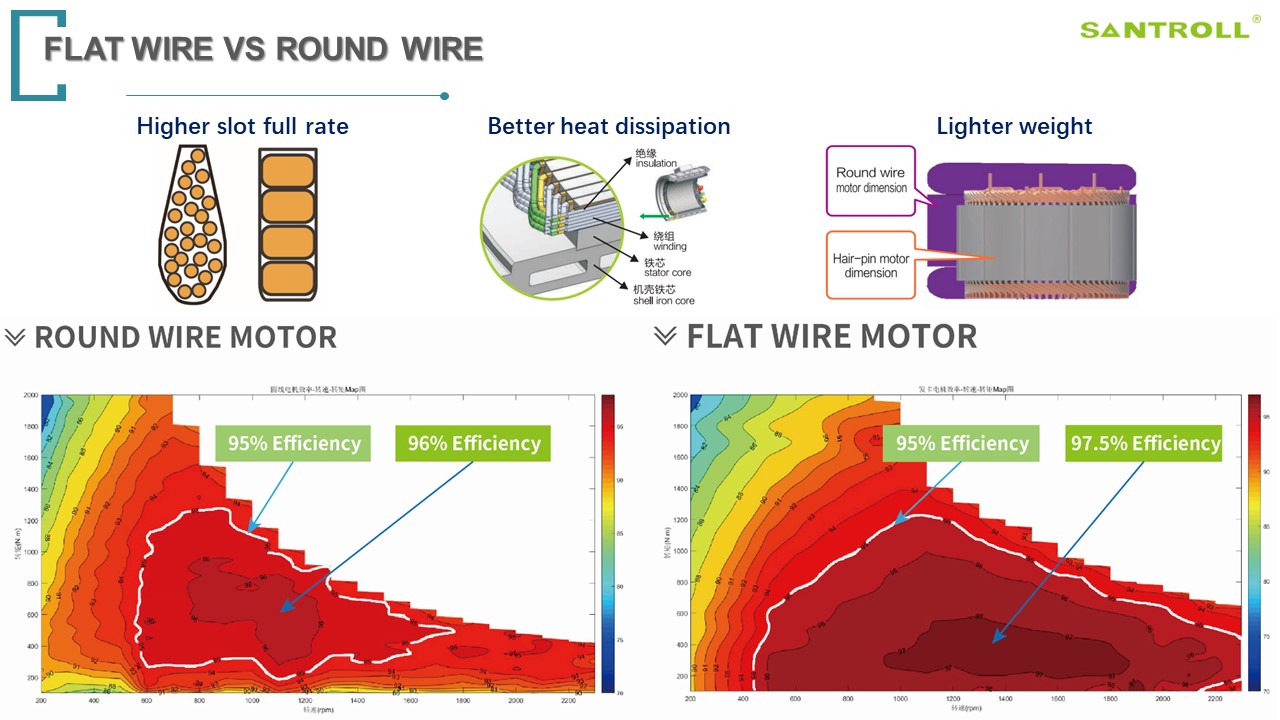
I will close with three concrete metrics I use when advising clients. First: Effective Runtime Gain — measure hours between faults before and after changes. Second: Energy per Workunit — compare kWh per output (load) over a month. Third: Maintainability Index — count simple tasks needed monthly (filter changes, alignment checks, firmware updates). These three numbers tell you whether a change truly helps your team and your budget. I prefer numbers you can gather on a clipboard and a small tablet. Be honest: some products look shiny but add little value. I have learned to trust simple data and real user feedback. If you want a tested source for components and support, consider Santroll as one place to start. I speak from direct fieldwork and a desire to make systems that serve people — not the other way round.