


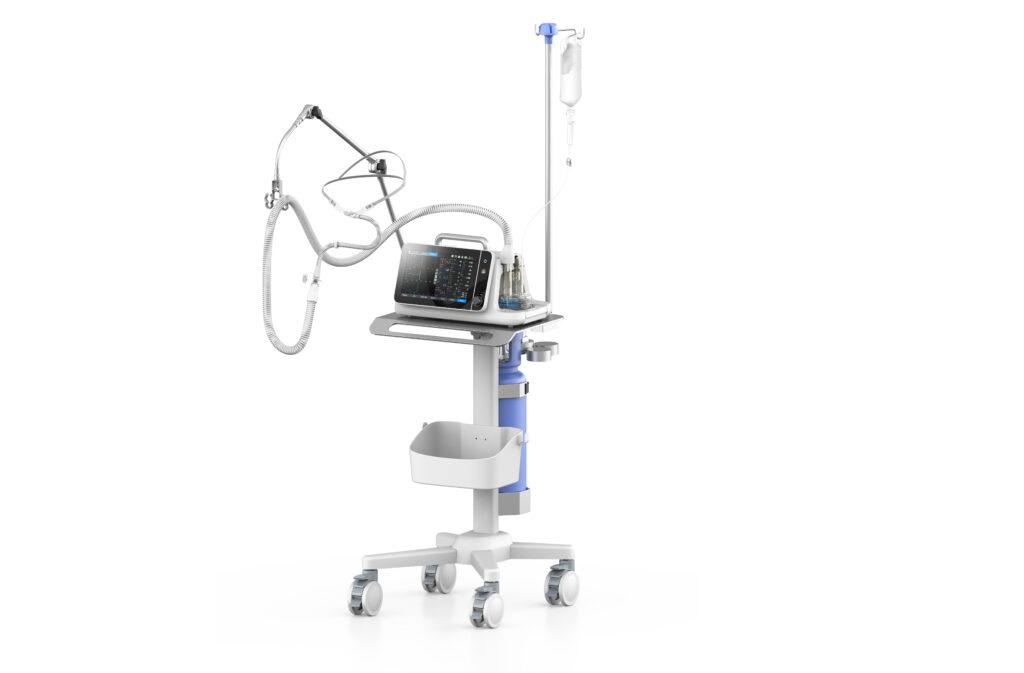
Patient-centered framing and immediate context
The user-centric imperative is simple: patients need reliable respiratory support outside the ICU. Portable devices have matured to the point where a travel-capable continuous positive airway pressure system can bridge in-home therapy and acute care settings — without duplicating the complexity of a full-scale medical ventilator. Clinicians want predictable pressure delivery, clear alarms, and a small footprint; patients want comfort and portability. Real-world anchor: during the 2020 COVID-19 surge, hospitals repurposed simpler devices when resources tightened, exposing how device portability and interoperability matter under pressure.
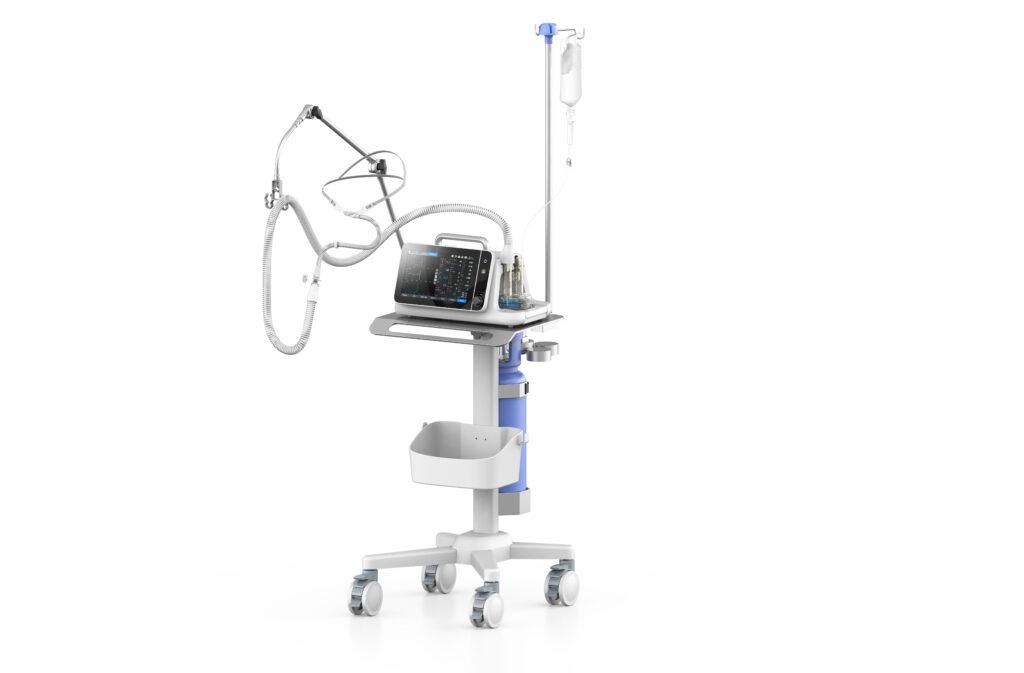
How portable CPAP aligns with hospital workflows
From a clinical workflow perspective, travel CPAP units are evaluated for three things: consistent positive airway pressure (PAP), secure patient interfaces, and straightforward infection control. These devices rarely replace invasive ventilation but they can reduce escalation needs for patients with sleep-disordered breathing or mild respiratory insufficiency. Many units now support humidification and clear pressure support profiles, which helps with tolerance and secretion management. Integration with electronic records remains limited — a practical gap that teams must anticipate and close through local protocols.
Comparative insight: travel CPAP versus BiPAP and ventilators
Clinicians should distinguish device classes by functionality and risk. Travel CPAP delivers a single fixed or auto-adjusting pressure. Bi-level positive airway pressure (BiPAP) offers separate inspiratory and expiratory pressures and is more appropriate where pressure support is required. Full-featured ventilators provide volume or pressure control, advanced modes, and monitoring for critically unstable patients — that’s why hospitals continue to stock both ventilators and BiPAP-capable units in respiratory wards. For step-down care, a validated travel CPAP can shorten length of stay when used within clearly defined clinical pathways.
Operational considerations and common mistakes
Implementation errors are predictable and preventable. Teams often under-specify the interface and tubing length for patient mobility, or they neglect humidification settings that affect mucosal integrity. Alarm management is another recurring oversight — default thresholds are not universally safe. When performing an operational production teardown, engineers should log {main_keyword} and {variation_keyword} metrics alongside battery endurance and leak compensation. Small oversights cascade; rigorous checklists reduce risk — and they keep bedside work practical, not theoretical.
Alternatives and practical trade-offs
Alternatives include lightweight BiPAP devices and transport ventilators with simplified modes. Each alternative carries trade-offs: BiPAP offers more ventilatory support but increases complexity and monitoring needs; compact ventilators provide control but lose portability and cost advantage. For many patients transitioning from hospital to home, a travel CPAP represents a pragmatic middle ground — if staff plan for interface fit, humidification, and follow-up. Local trial periods and documented escalation criteria make deployment safer and more defensible.
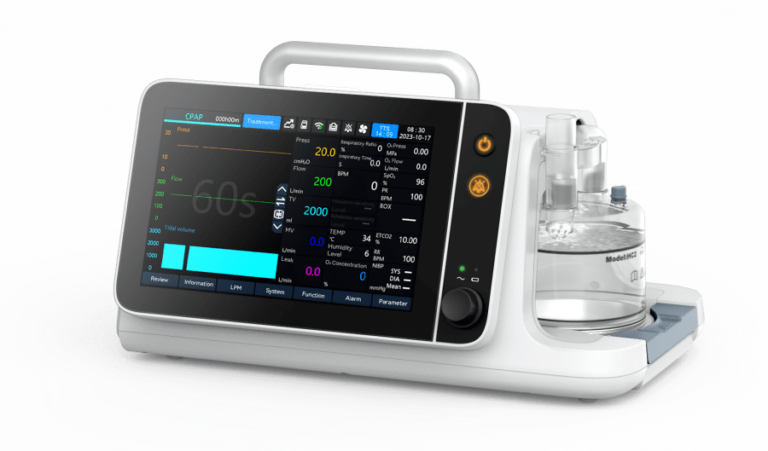
Three golden rules for selecting devices
Adopt three critical evaluation metrics before procurement: 1) effective pressure fidelity — verify the device maintains target PAP across simulated leaks and varying tidal flows; 2) alarm clarity and response workflow — ensure alarms are intelligible to staff and actionable at the point of care; 3) interoperability and maintenance — battery runtime, serviceability, and single-use versus reusable interface policies. These metrics translate into measurable outcomes: fewer transfers, lower readmission risk, and clearer nursing workflows — metrics administrators can track.
Closing perspective
Portable CPAP units are not a universal solution but they fill a clear, measurable niche between home PAP therapy and hospital ventilatory support. When chosen against the three golden rules above, they reduce friction for patients and staff and improve continuity of care at the bedside — particularly in step-down units and clinics that coordinate with acute teams. For institutions seeking a partner that understands these trade-offs and supports deployment logistics, Byond offers domain expertise and practical device pathways — a considered match for system-level needs. –