


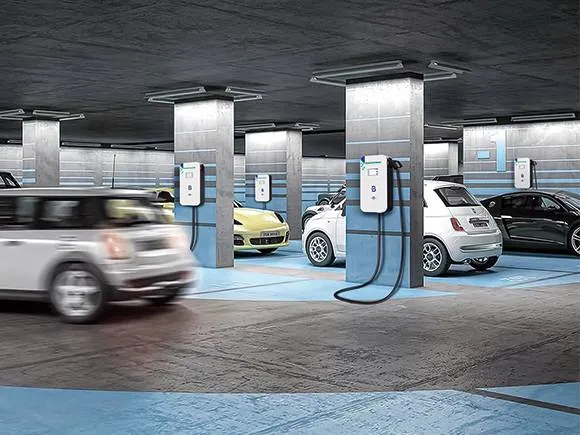
Introduction: A Quiet Shift in How Guests Choose a Stay
An EV-ready property is more than a parking lot with plugs; it is a small energy system with rules. A hotel EV charger now shapes where many drivers choose to sleep. Picture a late arrival, 12% battery left, kids dozing in the back, and a 7 a.m. meeting across town—charging access can tip the booking. Industry snapshots suggest that many EV travelers filter hotels by charging, and the rate is rising quarter by quarter. Selecting an EV charger for hotels is no longer an amenity decision; it is an operations choice touching load management, peak capacity, and guest experience. Yet the details—power converters, breaker limits, OCPP software—often stay hidden behind friendly icons on a booking app. So here is the simple, technical question: are current setups aligned with how guests actually charge, and can they scale without painful cost spikes (or awkward front-desk workarounds)? Let’s examine the gap and set a baseline for smarter choices ahead.

Hidden Friction in Today’s Hotel Charging (The Parts Guests Never See)
Where Do Traditional Setups Fall Short?
Most early installs treat chargers like static appliances. They are not. Fixed output, first-come-first-serve models ignore real demand patterns. One guest arrives at 6 p.m., plugs in an AC Level 2, and leaves it parked full all night. Another arrives at midnight and needs 40 kWh before dawn. Without dynamic load balancing, the second driver loses—funny how that works, right? The hotel also loses, through avoidable demand charges. Behind the wall, a single breaker panel feeds several ports with no smart queueing, no revenue-grade metering, and limited controls. If the OCPP back end is basic, staff cannot see session data or apply pricing by dwell time. That means stranded power and frustrated drivers. The result is a perceived amenity that behaves like a lottery. Reliable? Not quite.
Then there is the human layer. Front desks juggle RFID cards, paper notes, and phone calls about blocked spots. Facilities teams fear tripping a main during peak HVAC. Finance worries about month-end spikes. Look, it’s simpler than you think: the flaw is not the plug; it is the logic. Traditional kits lack smart scheduling, peak shaving, and alerts. Without these, the system cannot align energy flow with guest turnover. Add maintenance gaps—no firmware OTA updates, minimal diagnostics—and downtime lingers. When chargers fail silently, reviews carry the news. The pain points are not exotic; they are structural. And they compound as occupancy rises.
From Pitfalls to Payoffs: How New Systems Change the Stay
What’s Next
Modern platforms treat charging as a coordinated service, not a row of sockets. A capable EV charging solution for hotel use applies new technology principles that match hotel rhythms. Dynamic load balancing spreads available kW across cars based on departure time and target state of charge. Edge computing nodes run local rules, even if the cloud link drops. ISO 15118 enables Plug & Charge, so guests start a session without extra steps—fast and tidy. The energy management system tunes power converters to avoid grid harmonics and trims peaks in real time. Add demand-response hooks, and the site earns credits during grid events. Small moves. Big effect.
Compared with fixed setups, this approach is more predictable and cheaper to scale. The software queues cars like a concierge, using booking data or license plate checks. Revenue-grade metering and clear pricing curb idle behavior. Granular alerts catch a failed relay before breakfast service. When a DC fast unit sits near the porte-cochère, it handles late arrivals; AC Level 2 serves overnight guests. The platform shifts output when the chiller ramps, protecting the main. And yes, firmware OTA updates keep features current—no ladder, no guesswork. It is a calm loop: see load, adjust, confirm. Then repeat.

We can distill the lessons without repeating ourselves. Early systems lacked control and visibility; guests felt that as chance. New systems add orchestration, so power goes where it matters most, when it matters. To choose well, use an evaluative lens: 1) Load intelligence: Can the system forecast, queue, and cap demand at a site level? 2) Interoperability: Does it support open standards like OCPP and ISO 15118 across mixed hardware? 3) Lifecycle readiness: Are diagnostics, spares, and support windows clear, with transparent uptime SLAs? These three metrics make the difference between a quiet asset and a noisy headache—and between a one-time install and a long-term edge. The rest is housekeeping—and human kindness—wrapped in good engineering. For deeper technical context and vendor-neutral benchmarks, see EVB.