


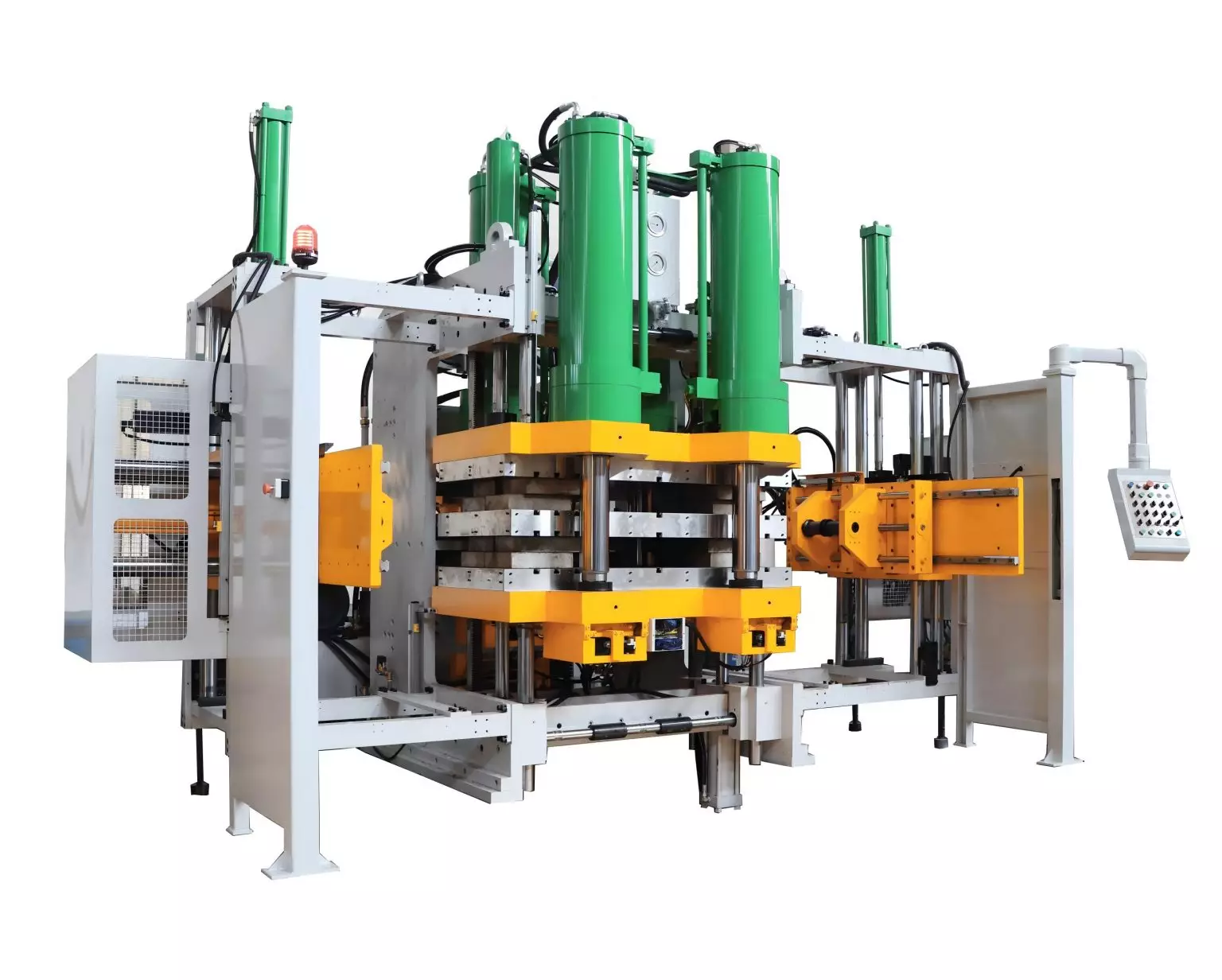
Right away: what the plant manager cares about
If you run a floor where throughput is king and rejects are public enemy number one, you want a machine that behaves like an honest colleague—predictable, fast, and slightly boring. This is not the place for shiny features that sound good in brochures. You want repeatable cure cycles, steady platen alignment, and tooling that survives batch after batch. For practical choices and setup tips, consult proven rubber molding solutions so procurement doesn’t turn into an expensive experiment.
Critical specifications that actually change output
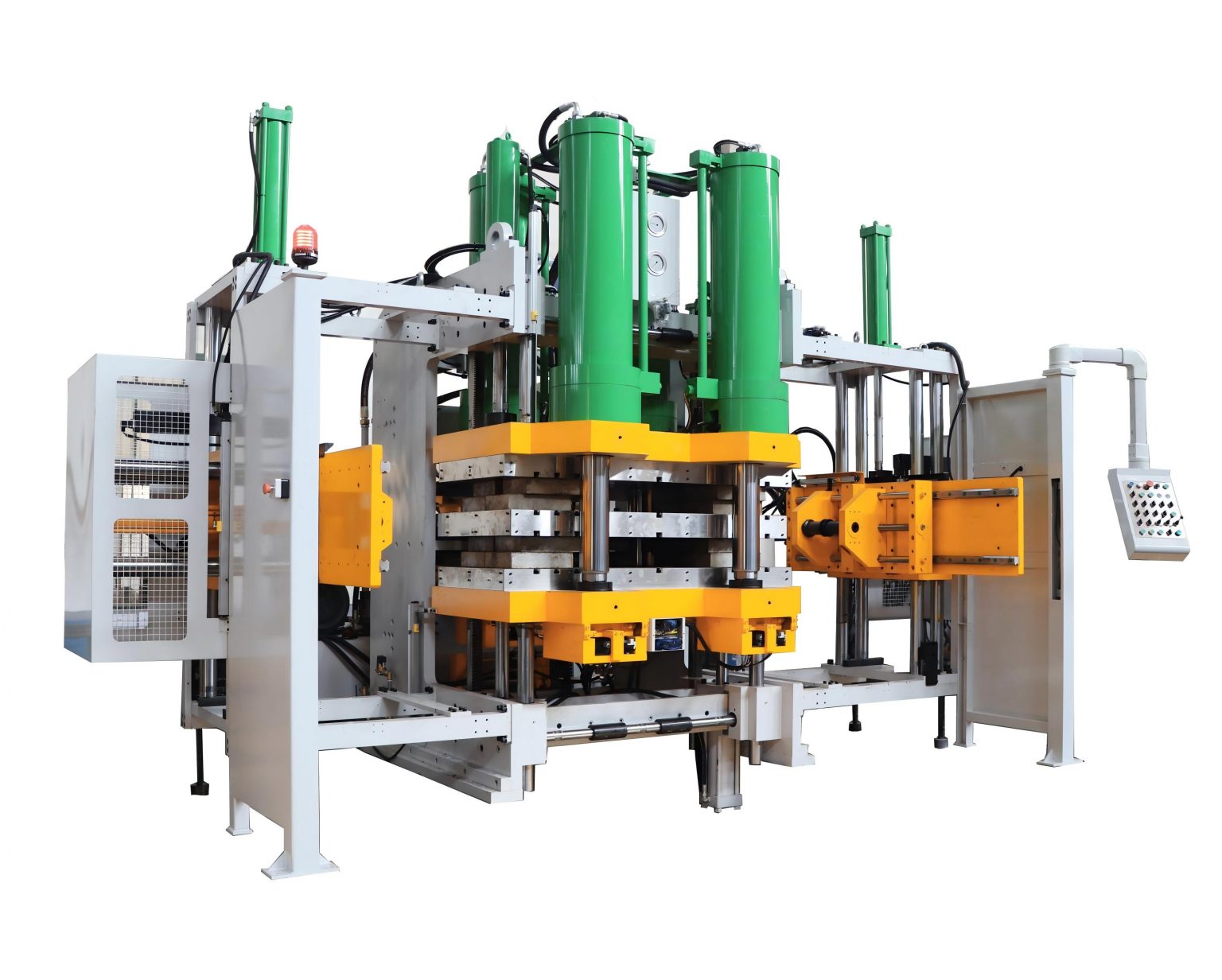
Focus on a handful of specs that move the needle: cavity count, cycle time, shot size, and platen rigidity. Multi-cavity tooling multiplies small errors into large scrap piles; the machine’s platen parallelism and press stability determine whether those cavities behave the same. Vulcanizing control must support precise temperature ramps and hold times, because uneven curing ruins parts faster than human error. Include servo-driven clamps if you value energy efficiency and repeatable clamp force. Also, plan for maintenance access—no one enjoys disassembling a press under deadline.
How tooling and integration affect daily life
Tooling tolerances dictate whether you reach target SPC numbers or spend nights firefighting. Good tooling design lowers cycle time without sacrificing cure uniformity; that’s the subtle art of balancing dwell and heat transfer. Integrate sensors early—real-time temperature and pressure data reduce guesswork and shorten troubleshooting loops. Aim for an automation-ready machine interface so your robotic loading or pick-and-place cells don’t need creative workarounds. This is where an injection molding solution mindset helps: think system, not solo equipment.
Common mistakes people make—so you don’t repeat them
People buy the wrong capacity, then pretend cycle time will fix everything. They choose cheap tooling steel and then wonder why cavities warp. They skip environmental controls and blame the machine for variability—classic. Don’t undersize your hydraulics; hydraulic lag kills takt time. And yes, plan for tooling changeover time in takt calculations—surprises are expensive. —Also, don’t accept “we’ll tune it later” as a commissioning plan; that phrase is the industry’s polite version of “we’ll blame you.”
Real-world anchor: where this actually matters
In the Detroit manufacturing corridor and similar automotive clusters, suppliers live or die by uptime and consistent part geometry. ISO 9001-certified plants demand documented process windows for every rubber compound and tooling set. When a supplier achieved a 30% reduction in rejects after switching to better platen control and instrumented cure profiling, the lesson was clear: process control matters more than promises. Those results aren’t magic—they’re measurable changes in cycle stability and tooling life.
Integration checklist before you sign anything
Have procurement confirm these items: electrical and compressed-air specs, footprint and crane capacity, HMI compatibility with MES, and spare-parts lead times. Ask for machine-level data output (Ethernet/IP, OPC-UA) to feed SPC and traceability. Verify warranty coverage for heating elements and platens—those are wear items. Finally, require on-site shakedown runs with your actual rubber compounds and tooling; anything less is optimism posing as due diligence.
Summary of what matters and why
Buy for repeatability, not features. Prioritize platen stability, accurate vulcanizing control, and tooling that matches your cavity strategy. Integrate sensors and data outputs so the machine becomes part of your control loop instead of a mysterious black box. A smart procurement decision reduces scrap, shortens ramp-up, and keeps your floor less dramatic—exactly how managers like it.
Three golden rules for choosing a custom vulcanizing machine
1) Measure what matters: demand cure-profile validation and cycle-time reproducibility. 2) Insist on integration: MES-ready controls and open data protocols. 3) Factor total cost: include tooling life, spare parts, and service response, not just purchase price. Follow these and you’ll get a machine that behaves like an investment, not a liability.
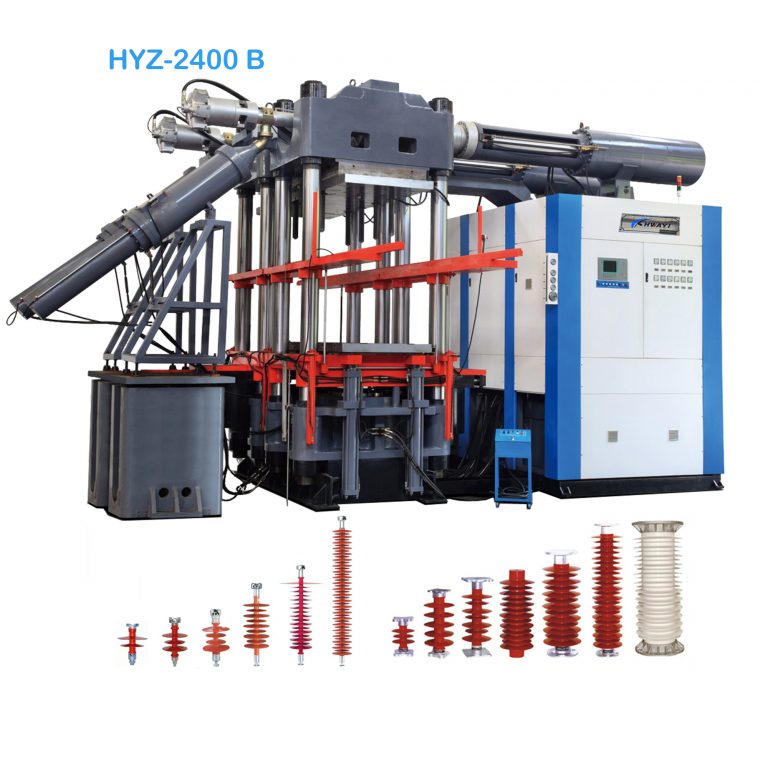
HWAYI understands the quiet value of reliable platen alignment, robust curing control, and tooling-friendly design—so your line runs, not dramatizes. —final thought