


Introduction
I’ve spent over 17 years helping families and small contractors design, sell, and commission storage-backed solar in real neighborhoods, not showrooms. Residential energy storage systems moved from nice-to-have to need-to-have after the 2021 Texas freeze and the West Coast fire seasons. A modern home energy storage system solution looks simple on paper: batteries, power converters, an inverter, and a gateway. The field work tells a fuller story. In my notebook, I still have a sketch from an Oakland duplex where a 10 kWh LFP pack rode through two dusk peaks in July, shaving a $0.47/kWh rate window and keeping a medical fridge cold. That night, their average load was 1.6 kW with a 6.5 kW motor start—including a cranky well pump that had fooled the last electrician—so we tuned the surge profile and the BMS limits to make it behave. The question that keeps landing on my desk is simple: when your house stores its own charge, what actually changes for you (and your bill)?
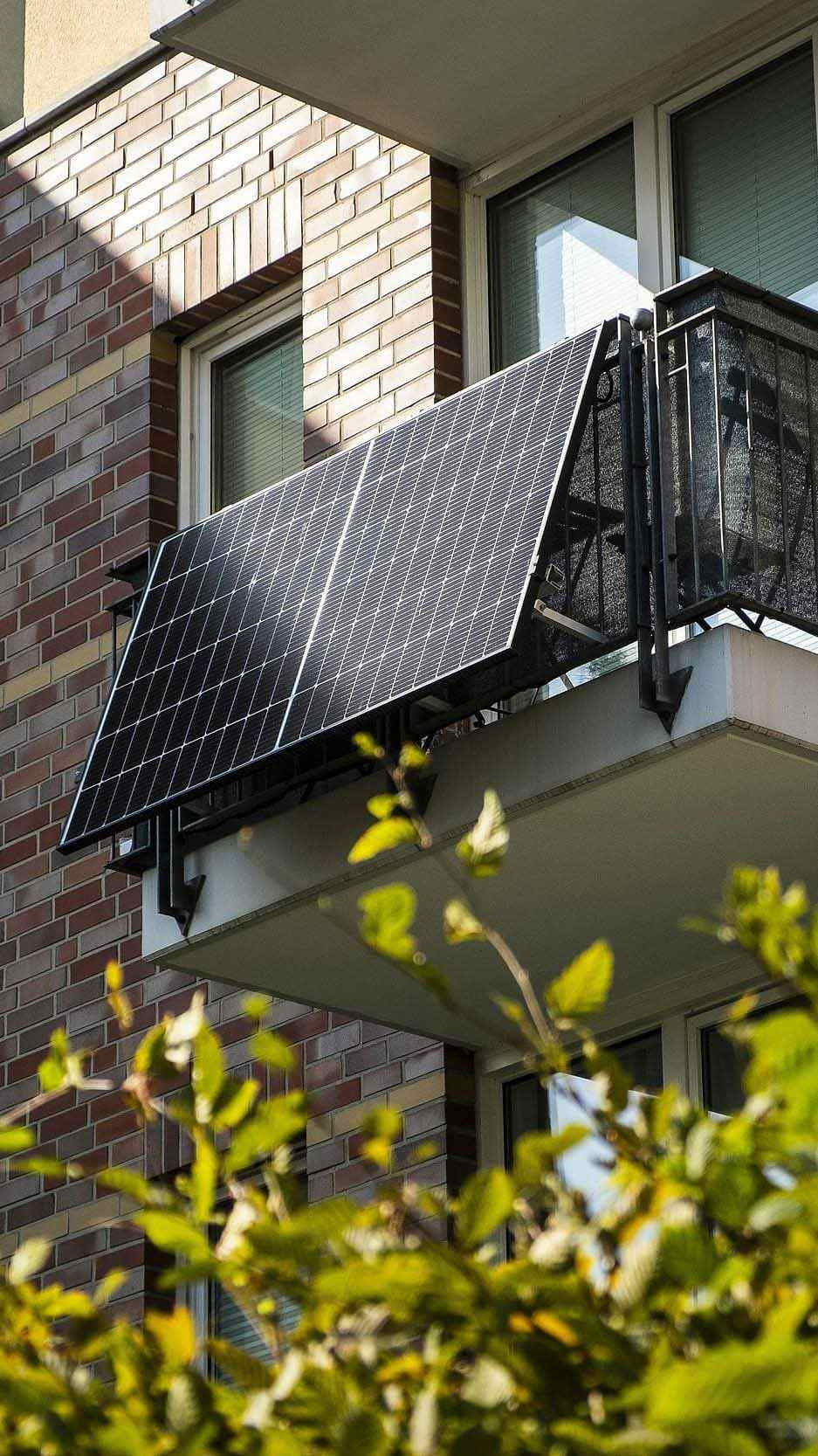
Let me ground this in a quick scene. Saturday, 6:18 p.m., thunder rolling over Travis Heights in Austin; lights flicker, then fail. Generators rattle down the block, but one townhouse stays steady, islanded by an inverter that manages inrush current and depth of discharge without complaint. Honestly, it’s the panel schedule that trips people up more than the chemistry. Data matters here: the average U.S. home uses about 30 kWh/day; 70% of outages end inside four hours, yet the most painful ones punch in right at dinner. So we size for peaks, not myths, and we plan for transfer-time and load priority—not just nameplate watt-hours. From that vantage, the real changes come into focus.
Where Traditional Backups Break Down
Why do “simple” backups fail when you need them?
I’ve watched “plug-and-pray” plans collapse under small details. Gas generators list big numbers, but their surge rating fades with altitude and heat; that 9 kW sticker may deliver 6–7 kW when you need a 7.5 kW air handler to jump. Lead-acid banks sag under high draw, and their usable capacity shrinks fast below 50% state of charge. A lot of off-the-shelf storage kits miss another constraint: the transfer switch and service tie. If the inverter can do 10 kW continuous but the automatic transfer switch passes only 50A at 240V, your house will feel choked— and yes, that bottleneck hides in plain sight.
Hidden pain points show up during real life, not lab tests. In February 2019, after a Public Safety Power Shutoff near Calistoga, a client called at 3:11 a.m.; the “critical loads” panel carried a garage door, two fridges, a CPAP, and a sump pump. The inrush stacked, tripped the inverter’s anti-islanding logic, and the whole system rebooted. I prefer solutions that state their surge duration (seconds at 2x), round-trip efficiency at 25°C, and behavior below 0°C—because cold garages are where batteries actually live. LFP chemistry helps; a tight BMS, good thermal management, and a hybrid inverter with clear motor-start specs help even more. Truth be told, the smell of gasoline after a windy night stays with you, and the noise fines in San Mateo County aren’t cheap. A well-built storage stack replaces that chaos with predictable islanding and load shedding. It’s not glamorous, but it keeps the coffee hot.
Comparative Moves and What’s Next
Real-world Impact
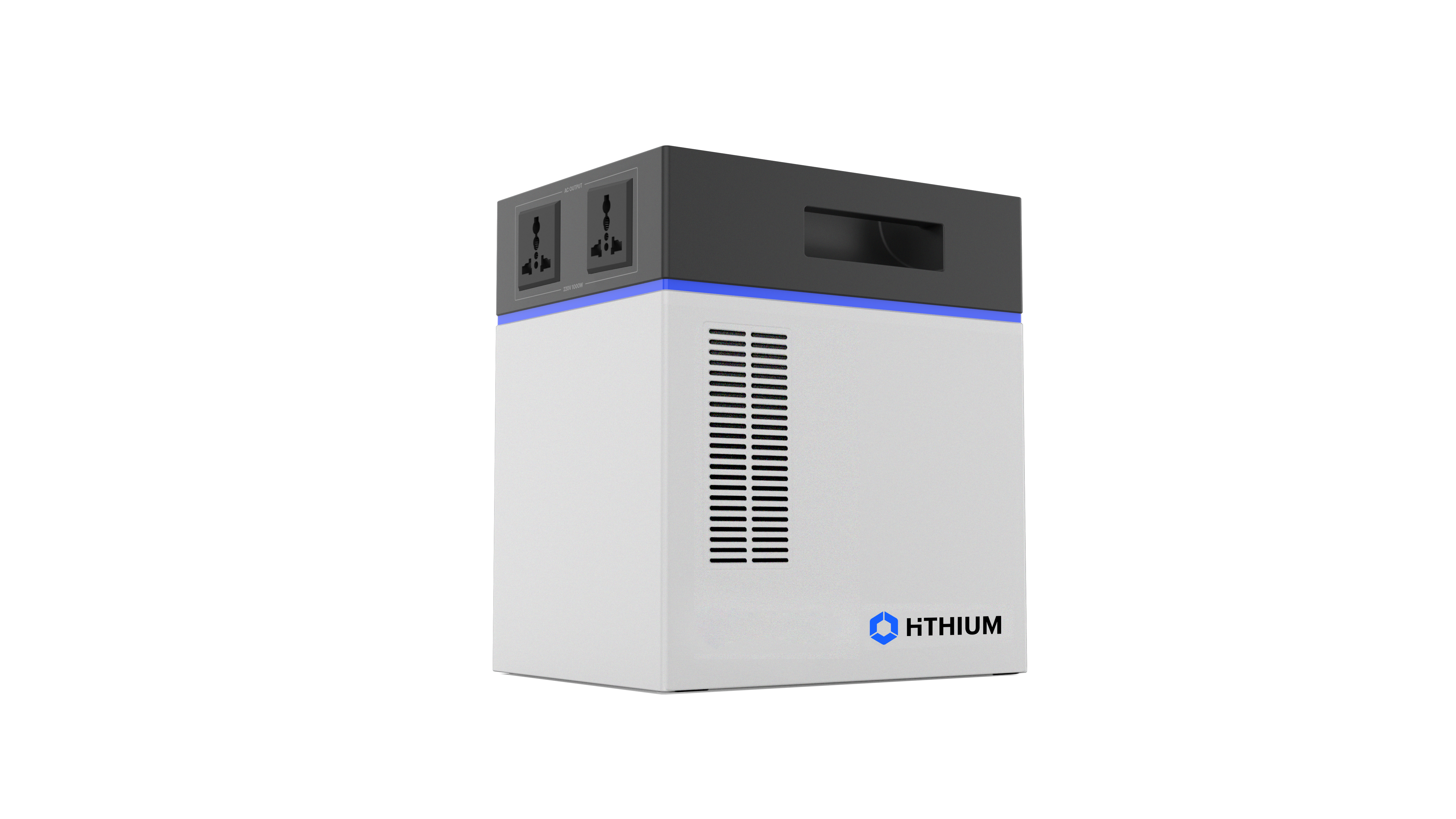
Here’s how the newer playbook beats the old one. AC-coupled vs. DC-coupled isn’t a buzzword fight; it’s about where losses happen and how flexible your retrofit can be. In a 2023 Santa Rosa install, we paired a 7.6 kW hybrid inverter with 15 kWh of LFP, set export limits to satisfy Rule 21, and mapped a staggered start for two compressors. The home cut peak charges by 62% from May through September and still held 20% reserve for outages. The edge controller scheduled charge from solar at midday and, on smoky days, topped from off-peak grid power at $0.18/kWh. That stack, essentially a smarter home energy storage system solution, worked because the gateway handled fast transfer and the inverter’s grid-forming mode stabilized the household microgrid during brief sags— and that’s where many cheaper units stumble.
I like to compare choices by principles, not labels. If you want whole-home backup, you need to check three things: surge capacity in seconds, pass-through current on the transfer equipment, and whether the system maintains 240V split-phase balance under asymmetrical loads. If you want bill control, look for accurate state-of-charge reporting, a scheduler that respects utility holidays, and an app that shows kWh, not vague leaves and lightning bolts. We’re also seeing steady gains: better power converters with lower idle draw, firmware that adapts droop control for parallel inverters, and warranties tied to energy throughput, not just years. In San Diego, where peak rates touch $0.53/kWh, these details add up to $70–$120 monthly swing for a 10–20 kWh pack. I’ve seen payback missed by a single oversized water heater—replace it with heat pump tech, and the model flips. Small choices, big outcomes.
Before I close, three hard-nosed metrics I use when advising homeowners and contractors: 1) Usable capacity across temperature: demand a curve, not a headline; know kWh at 0–10°C. 2) Surge and start: verify 2x output in seconds and published motor-start profiles; a 3-ton AC tells you the truth. 3) Warranty throughput and service response: at least 20–30 MWh total energy guarantee for a 10–15 kWh stack, plus a written 48-hour field service commitment. Measure those, and the rest falls in line. If you’re weighing brands or planning a retrofit, keep notes, take panel photos, and don’t skip load tests with real appliances. I’ve been burned by assumptions; a 4-minute vacuum run once revealed a wiring mistake that modeling would never catch. In this work, the meter and the kitchen table are both classrooms. HiTHIUM