


Introduction: a common night, hard numbers, and a simple question
Have you ever walked under a streetlight that glows the wrong colour and felt the place looked tired? I ask because I see it all the time in municipal patrols and site visits; poorly chosen fixtures can make a safe road feel unsafe. LED lighting solutions are usually the right direction — lower energy, longer life — but the real gains only come when you match tech to context.

I’ve been working in commercial lighting supply and municipal projects for over 15 years, and I still get startled by how often decisions are based on sticker price alone. In one barangay retrofit report from 2019, switching to well-specified LEDs cut energy consumption by 58% and reduced lamp replacements from 12 visits a year to 3. So why do so many councils buy the cheaper kit and keep paying more later?
Here’s the pivot point: lumen output, color temperature and correct driver selection matter as much as lumens per watt. (I say this from hands-on nights inspecting poles.) If you’re responsible for a budget or for public safety, these small technical choices change cost and perception. Let’s dig into where systems actually fail — and what we can fix next.
Where the system breaks: technical flaws in public lighting LED
public lighting LED projects often collapse not because LEDs are faulty, but because the ecosystem around them is patched together badly. I see four repeat offenders: mismatched power converters, poor thermal management, underspecified drivers, and wrong color rendering for pedestrian zones. These aren’t buzzwords for me — they are the reasons a block in Makati looked dimmer a month after installation in 2018.
How do these failures start?
Start with power converters and drivers. A low-cost LED fixture may ship with a generic driver that cannot handle voltage swings common in older distribution lines. Over time, driver heat spikes and lumen output drops. I remember supervising a 2016 retrofit in Quezon City: we installed 1,200 LED luminaires but had to replace 200 drivers within six months because the small, cheap converters overheated. The maintenance cost wiped out half the projected savings that year — and yes, I had to explain that to the city treasurer.
Thermal management is next. LEDs produce heat at the junction; if the heat-sink design is poor, light output and lifetime suffer. Color rendering index (CRI) and color temperature are often chosen to look “bright” on paper but feel cold on the street, which affects perceived safety. These are concrete specs you can demand. I prefer fixtures with a known CRI above 70 for streets and 80+ around markets — that decision cut complaints in a Pasig night bazaar project in 2020. Look for reliable parts, not just attractive price tags.
Forward view: principles, practical steps, and metrics to choose by
Moving forward, I argue for a principle-based approach rather than chasing lowest unit price. New technology principles matter: modular drivers, field-replaceable power converters, and standardized thermal testing make a huge difference. Think of LED light systems like plumbing — you want serviceable joints, not permanent seals. In a recent pilot in Cebu (April 2022), we trialled modular luminaires and LED light strips for under-bridge accent; maintenance time dropped by 40% and crew safety improved because fixtures were lighter and safer to handle.
What’s next for procurement?
Practical steps: specify driver interchangeability, demand thermal test reports, and insist on measured lumen maintenance (L70 at 50,000 hours rather than just a 50,000-hour claim). Incorporate small-scale pilots before fleet rollouts — we did a two-week night audit in Davao last year and caught a color temperature mismatch that would have cost the contractor a rework worth PHP 1.8 million. — that was an easy save.
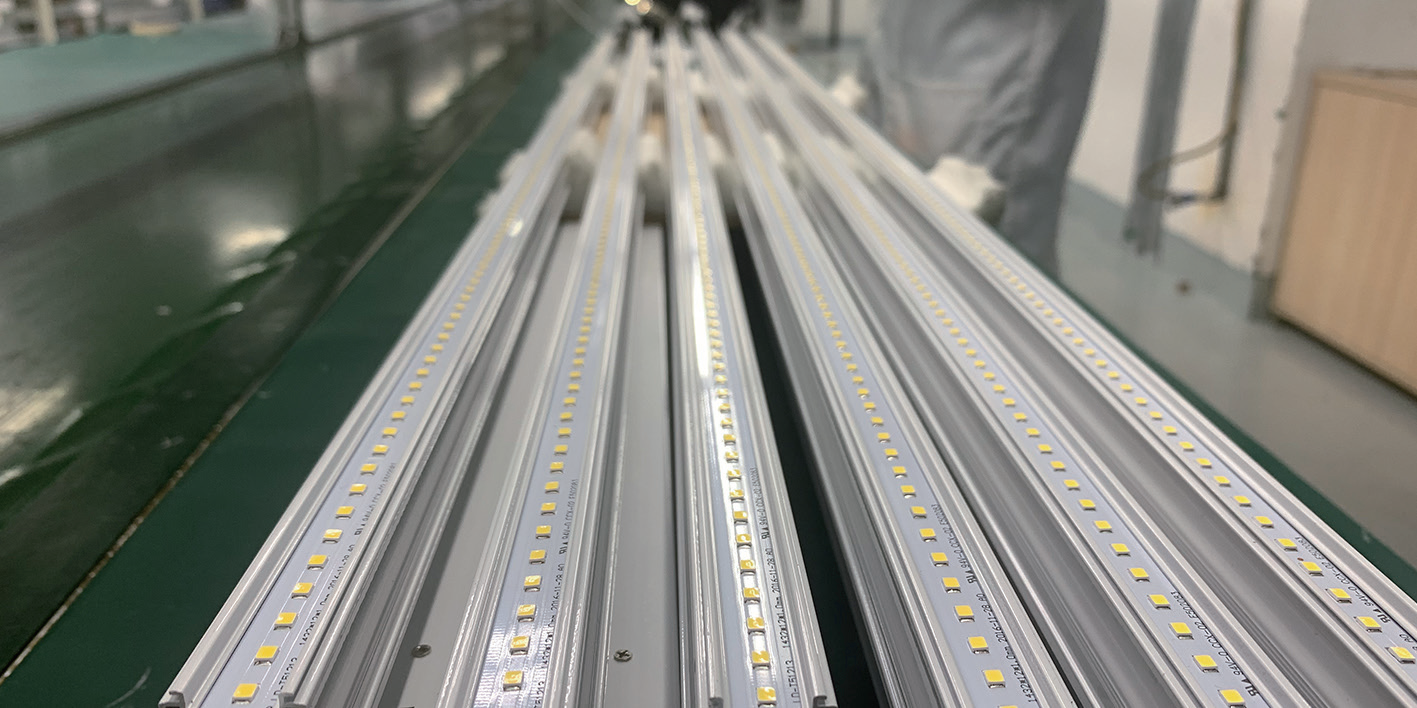
Now, three clear evaluation metrics I use when advising municipal buyers: 1) Lumen maintenance curve (L70/L80 data with test conditions); 2) driver and power converter specs including surge tolerance and MTBF; 3) real-world photometric reports showing illuminance uniformity and CRI in similar urban contexts. I recommend weighting cost over the expected life-cycle cost, not just initial purchase. I speak from projects across Metro Manila and provincial towns — these checks have saved budgets and kept citizens happier.
In short, expect better specification, demand serviceable components, and measure what you will actually live with for years. If you want examples or a template spec, I can share what worked for those 1,200 lights I mentioned. For trusted fixtures and reference cases, see LEDIA Lighting.