
Introduction: A Quick Reality Check Before the Lights Hit
I was standing behind the FOH tent at a street fair, watching a set turn from okay to magic as the sun dropped. Laser lights took a simple stage and made it feel like a tour stop. In the last year, more than half of mid-size events I’ve seen added a laser rig—small budgets included (wild, I know). But here’s the rub: why do some shows look sharp and synced, while others feel messy or even unsafe? If you’re weighing lasers for light shows, that gap matters. Is it the gear, the setup, or the planning? And how do you compare what actually counts, from scan angles to haze density, without getting lost in the spec soup? Stick with me—we’ll unpack the pain points, then map what to look for next.
The Hidden Friction Beneath the Glow
What’s the real snag?
Let’s go past the hype. The biggest misses aren’t only about brightness; they’re about control and safety. Many users don’t account for beam divergence, which shapes how the light spreads in air. That impacts audience scanning limits and optical attenuation. If the galvanometer scanners can’t hold speed at wide scan angles, text and logos wobble. That’s a show-killer. Add in DMX512 triggers that don’t line up with audio cues, or ILDA control that isn’t tuned for your frame rate, and you get stutter and lag. Look, it’s simpler than you think: mismatched timing and underpowered control paths turn “wow” into “meh.”
There’s also the silent stuff: rigging weight, power converters, and airflow. Small crews assume any mount will do. Then heat throttles output, and your brightest looks lose punch. Or compliance gets skipped—audience zones, ceilings, safe distances—and the security team steps in mid-show. Back to our street fair: the team hit their cues, but haze drifted, and the mid-air beams vanished during the chorus—funny how that works, right? Planning for haze, wind, and sightlines matters as much as wattage. The pain points hide in the workflow, not just in the spec sheet.
Future-Focused Comparisons: What Changes the Game Next
What’s Next
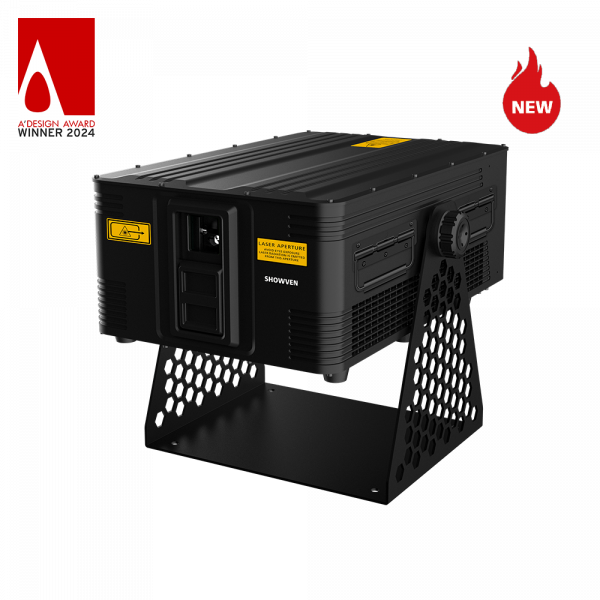
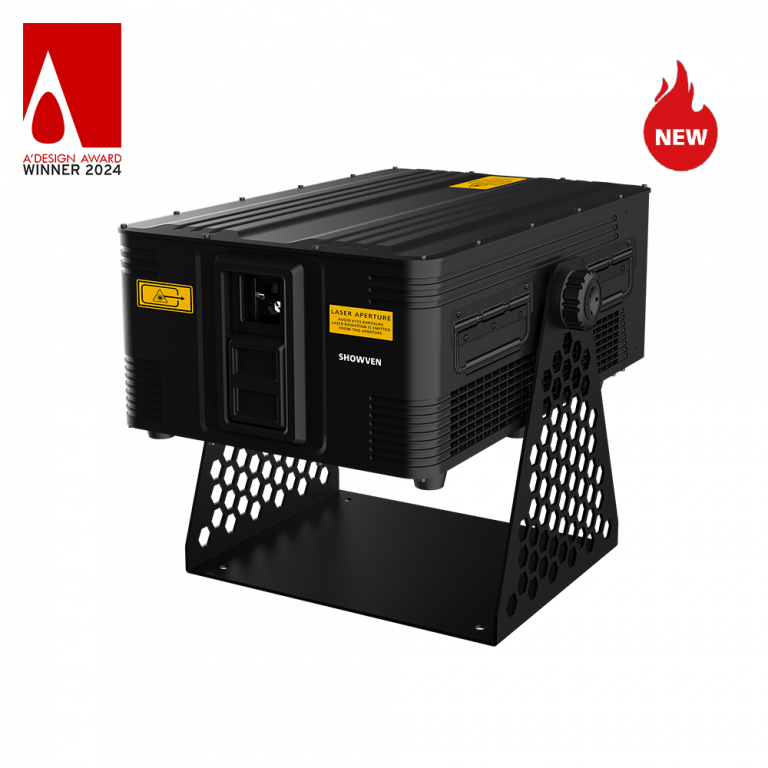
Here’s where new tech principles actually help. Smarter control stacks move cue timing closer to the stage via edge computing nodes, so laser frames and audio hits land together. Adaptive scanning firmware can auto-limit scan angle to keep frames crisp at higher speeds. Better thermal design keeps output steady, even under hot truss. And when a programmable laser light projector exposes both ILDA and network protocols, you can run precise frames while still syncing with the rest of your rig. In short, the future leans on stability over raw power, and on guardrails that prevent drift, glare, and audience-zone errors.
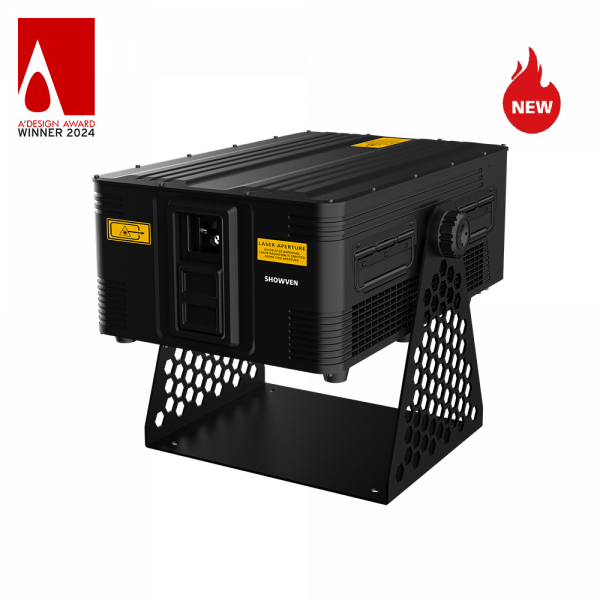
Comparatively, think layers. Old-school setups depend on a single control line and manual tweaks. Newer systems define profiles: room size, haze levels, safety zones, and preset optical attenuation. They log errors, so you catch misfires before doors open—no all-nighter fixes. The payoffs are clear: cleaner typography in mid-air, fewer missed cues, and repeatable looks across venues. Summing up our earlier hits and misses, the wins happen when timing, cooling, and safety rules are built in, not added later. To choose well, use three checks. First, scan quality under load: does text hold at your widest frame? Second, sync integrity: does timecode stay tight across songs and scenes? Third, protection layers: does the unit throttle and report before you do? Meet those, and your stage stops guessing and starts performing. Closing thought—small crews with smart tools beat big crews with blunt tools. Showven Laser