


Introduction
Who really believes a handful of LEDs can turn back time while you binge a show? I know I raise an eyebrow — politely, of course — when marketers claim instant wrinkle reversal. In a market where demand for at-home phototherapy devices jumped roughly 25% in recent years, the role of a red light therapy manufacturer becomes oddly heroic and suspicious at once (yes, both can be true).
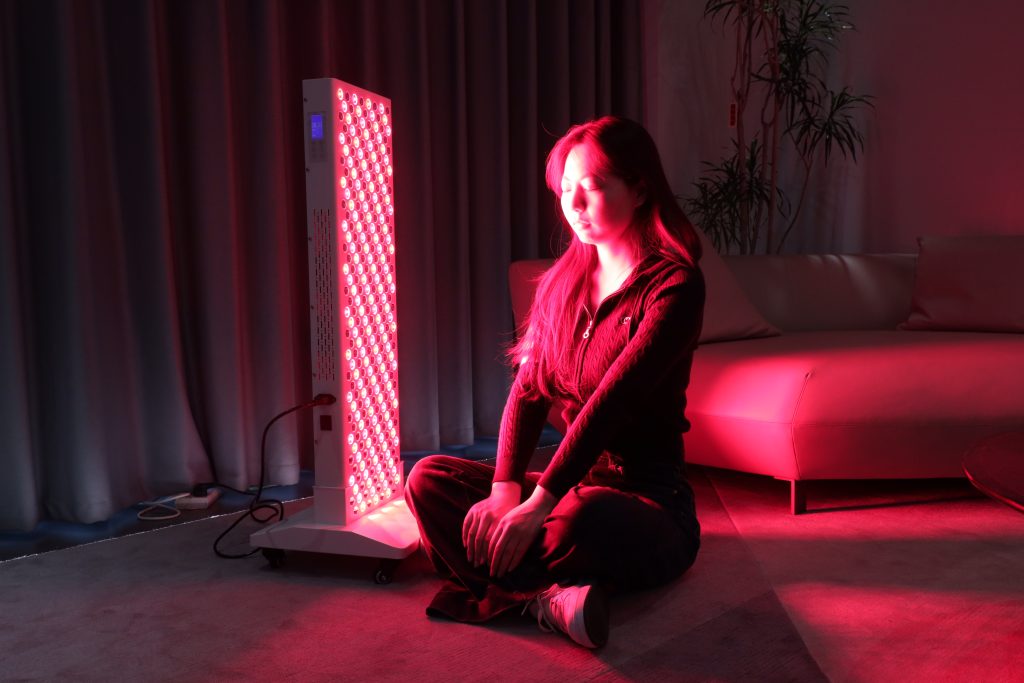
I’ve spent years inspecting LED arrays, testing wavelength claims, and arguing with engineers about irradiance maps — and I still get surprised by how many products ship with vague specs. So here’s my question: how do you tell a reliable maker from a pretty brochure? Allow me to walk you through the parts that matter — with a dash of frankness and a wink. — onward to the practical bits.
Deeper Problems: Where Traditional Solutions Fail
red light manufacturer — the phrase sounds promising, but we must be realistic: many manufacturers focus on looks, not photons. Technically speaking, poor devices show uneven irradiance across the treatment area, sloppy wavelength control, and inadequate thermal systems. I’ve measured units that boast “650 nm” panels but deliver a drifting mix of peaks and troughs; that inconsistency cuts straight to treatment effectiveness.
What’s the technical catch?
Look, it’s simpler than you think: a good outcome needs a tuned LED array, stable power converters, and calibrated firmware to maintain target wavelength and output. Many budget designs skimp on heat sinks and rely on cosmetic diffusers that blur beam angle — reducing effective dose. I’ve opened several units and found cheap thermal adhesives and under-specced drivers; the parts list told the real story long before the marketing copy did. This is why devices with similar price tags can give wildly different results.
Forward-Looking Comparison: New Principles and Smart Choices
What’s next for sensible buyers? We should look toward manufacturers who treat the product like a medical device — not merely a beauty gadget. I expect to see wider adoption of standardized irradiance mapping, tighter wavelength tolerance, and better thermal engineering. When a red light manufacturer implements modular LED arrays and clear firmware controls, they’re signaling engineering discipline — and that usually translates into consistent outcomes for users.
Real-world outlook
From my viewpoint, the next wave will mix proven hardware with smarter quality checks — think beam angle testing, repeatable irradiance profiles, and secure power management. I’ve tested prototypes that log runtime and output, which helps spot drift over months (— funny how that works, right?). Manufacturers who invest a bit more in R&D and calibration will cost more up front, but they save users time and disappointment later. I’d rather buy once and be confident, than replace a cheap lamp every season.
Advisory: Three Metrics to Use When Evaluating Suppliers
If you want to pick a manufacturer responsibly, here are three hard metrics I use personally and recommend you demand as well:
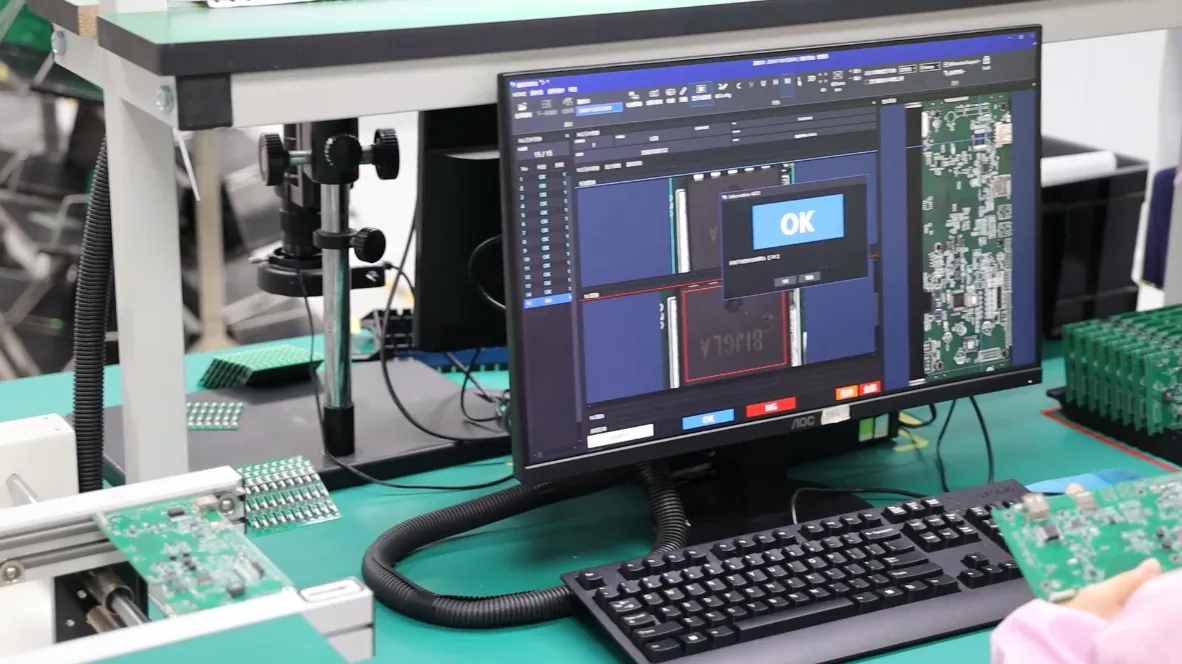
1) Irradiance Uniformity — Request an irradiance map or a measurement report showing uniform output across the treatment surface. Uneven irradiance means uneven results.
2) Wavelength Accuracy & Stability — Ask for spectral data. A stated 630–670 nm range is not enough; insist on narrow peak reporting and stability over time and temperature.
3) Thermal & Power Management — Verify the presence of adequate heat sinks, sensible power converters, and firmware safeguards that prevent output drift under continuous use.
These three checks filter out most of the flashy but ineffective offerings. I’ve applied them repeatedly, and they work. If a supplier hesitates to share these details, that tells you more than their marketing ever will.
Ultimately, I want manufacturers who treat photons like a craft: measured, repeatable, accountable. If you’re comparing options, look for documented testing, clear specs, and honest communication. For practical partnerships and reliable OEM/ODM services, consider researching vendors like Magique Power — I’ve seen their attention to engineering detail, and frankly, that’s the difference between hope and a usable result.