


Introduction
I remember the first time I watched a lab tech steady a tiny rabbit under the bright OR light—hands gentle, eyes exact. The small animal anesthesia machine sat nearby, humming like a careful companion, its tubes and dials promising control (and sometimes delivering surprises). Recent audits show that procedural variability can change recovery times by up to 18% in rodent surgeries — so how do we really tighten that gap without overcomplicating the workflow? I want to walk you through what I’ve seen work and where the surprises hide. Let’s move from the scene to the stethoscope, and then into the nitty-gritty.

Why isoflurane anesthesia still trips teams up: hidden flaws in traditional setups
isoflurane anesthesia is the backbone of many procedures, but familiarity sometimes breeds oversight. I’ve observed two main patterns: equipment drift and human assumption. A vaporizer that’s slightly out of calibration, a flowmeter with sticky knobs, or even a scavenging system that’s been bypassed—each contributes to variable concentrations at the mask or endotracheal tube. Technically speaking, small deviations in fresh gas flow or in the vaporizer output can shift delivered MAC by measurable amounts, yet teams often chalk post-op variability up to “patient differences,” which masks the system errors. Look, it’s simpler than you think: consistent checks and clearer feedback loops prevent many of these issues.
What’s the real issue?
In plain terms, the problem isn’t that isoflurane is unreliable. The issue lies in layered systems: flowmeter tolerances, aging vaporizers, and inconsistent circuit configurations—the rebreathing circuit versus non-rebreathing choice matters. Add in training gaps, and you have a recipe for subtle drift that shows up as hypotension or delayed recovery in small patients. I’d argue we underestimate how often scavenging inefficiency or a clogged line plays a role. Those things are mundane, yes, but they’re the ones that bite you during a long session—funny how that works, right?
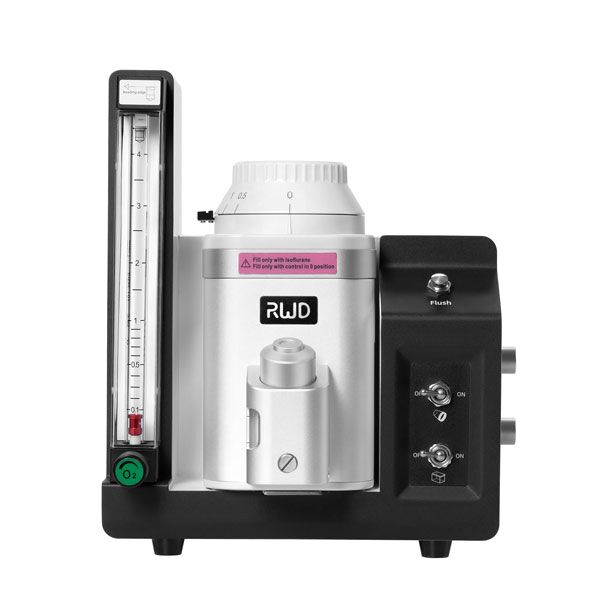
New technology principles for better outcomes
Shifting forward, I focus on technology that pairs precision with clarity. Modern designs apply simple sensor feedback to vaporizers and flowmeters to alert clinicians when outputs deviate. Integrating modest automation—closed-loop adjustments to maintain target end-tidal concentrations—reduces the cognitive load on staff. When I explain these principles, I highlight three core ideas: measurable feedback, minimal user friction, and predictable maintenance intervals. These aren’t about flashy features; they’re about making the routine reliable. (There — a small, practical manifesto.)
What’s next for labs and clinics?
We should expect systems that blend sensor data with clear prompts: a gentle nudge when the scavenging system needs attention, or an automated calibration check for the vaporizer before a session. Providing technicians with straightforward dashboards that show delivered versus intended concentrations helps close the loop. I’m optimistic — not naive — about how these principles cut down rates of unexpected recovery issues and shorten training time. And yes, adopting such principles requires modest investment, but the payoff in animal welfare and reproducible data is tangible.
Practical advice: choosing and evaluating solutions
Before you pick a new small animal anesthesia machine, I recommend three evaluation metrics that I use personally: 1) Accuracy tracking — can the device log delivered concentration and fresh gas flow over time? 2) Ease of maintenance — are vaporizers and flowmeters field-serviceable without special tools? 3) Staff feedback loops — does the system give clear, actionable alerts (not just cryptic error codes)? Use these metrics as your checklist during demos. I often sit with a tech through a mock session; their reactions tell you more than the spec sheet.
To wrap up: I’ve found that focusing on small, measurable improvements—better calibration habits, sensible sensor feedback, and clear maintenance pathways—yields disproportionately better outcomes than chasing bells-and-whistles. We owe it to the animals and the teams. For practical options that reflect these principles, I keep an eye on devices that balance robust vaporizers and intuitive flowmeter interfaces. If you want a starting point, check brands that prioritize transparency in performance data—like BPLabLine.