


Opening: A Hard Lesson from the Bench
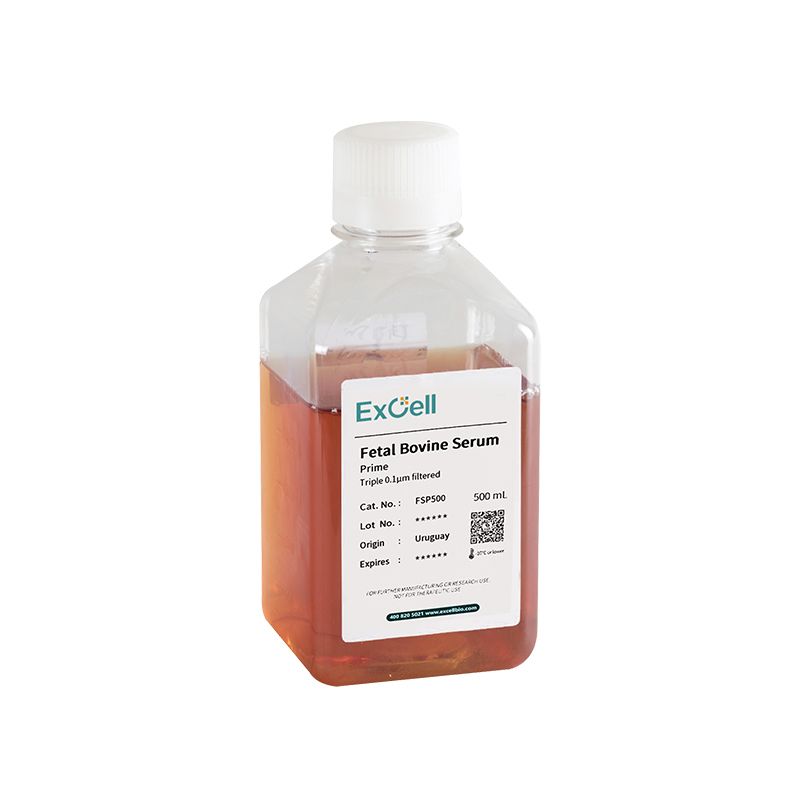
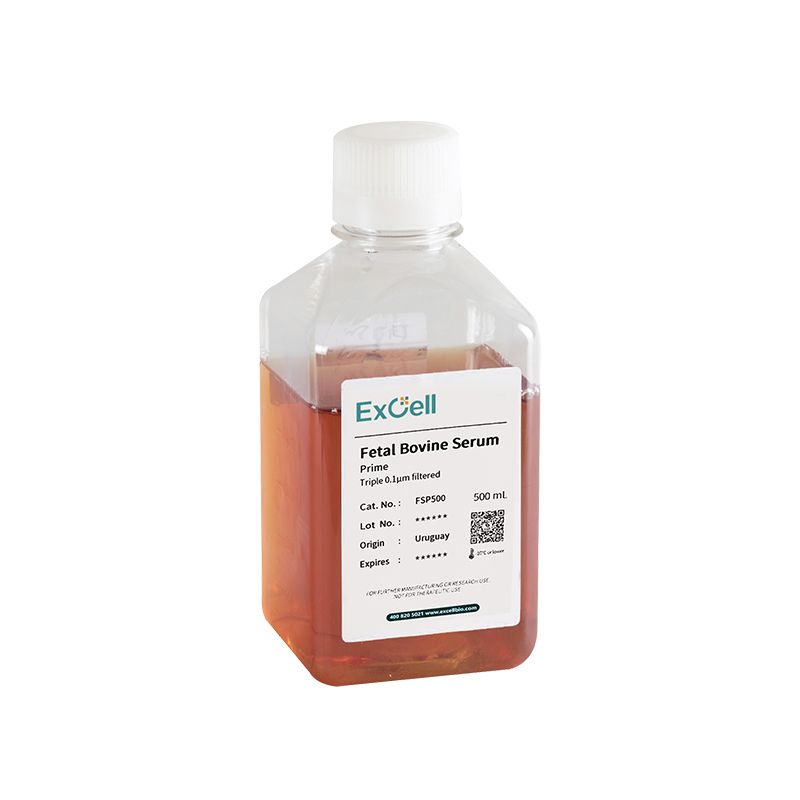
I remember a rainy Saturday in March 2023 when a shipment sat unopened in our Boston receiving room until noon; that delay taught me more about supply risk than any seminar. Early in that morning I reviewed an invoice for fetal calf serum and the accompanying certificate—only then did I fully grasp how central fetal bovine serum is to routine cell culture. I have over 18 years in B2B supply chain and laboratory procurement, and I write this as someone who has seen a single contaminated serum lot shut down assays for two weeks (heat-inactivated 20 L, lot 202303-B, cost impact approximately $9,500).

How did we get here?
We relied on price and lead time—classic errors. That sight genuinely frustrated me: sterile filtration and sterility testing were listed, but endotoxin and Mycoplasma checks were inconsistent across vendors. I believe many wholesale buyers underweight lot-to-lot variability and overvalue low-cost offers. The traditional fix—buying more inventory to avoid stockouts—only magnifies risks like improper cryopreservation or prolonged cold-chain exposure (and higher holding costs). The deeper flaw is not price alone; it is the invisible variability of each serum lot and the assumptions we make about supplier QA. — I never saw that coming.
Transitioning to solutions demands clear metrics and frank vendor conversations; let us proceed to methods that actually reduce failure rates.
Forward-Looking Comparative Analysis: Standards, Alternatives, and Metrics
Looking ahead, I compare three procurement paths: strict certified lots with exhaustive testing, blended lots pooled for consistency, and serum-free media adoption. Each has trade-offs. Strict certified lots reduce variability in growth factor content but raise unit price and extend lead times. Blended lots can smooth serum lot variation and help cell culture consistency across runs, but they require robust sterility testing and traceability. Serum-free media eliminates serum lot issues (no FBS variability) but often demands fresh validation and can increase per-experiment reagent cost by 20–40% in my experience. For a mid-size lab in Cambridge switching one 12-week assay to serum-free in late 2022, we saw reproducibility improve but startup costs rose by $7,000.
What’s Next?
We must judge suppliers on three concrete metrics: measured endotoxin per mL, documented heat inactivation protocol (temperature/time), and documented lot history including previous stability reports. I advise wholesale buyers to request sterility testing certificates, Mycoplasma PCR results, and to demand a small trial lot (1–2 L) before committing to large volumes. Compare suppliers not only on price and lead time but on proven traceability and responsiveness. Consider suppliers that offer cold-chain monitoring devices and batch-level cryostorage data—those details matter.
To summarize: fetal calf serum sourcing is not merely a procurement task; it is a lab risk management decision. I prefer suppliers who provide clear serum lot documentation, routine endotoxin testing, and rapid replacement policies. That stance has saved my clients both time and money. Short interruption — a single phone call to verify a certificate has prevented repeat failures. In closing, evaluate vendors by measurable QA metrics and insist on trial lots; your assays—and your bottom line—will thank you. For reliable sourcing and data-rich support, consider resources from ExCellBio.