


Why comparison matters upfront
When a clinic in Kuala Lumpur or the Petronas Twin Towers needs uninterrupted power, the decision between suppliers becomes very real — downtime is costly. This Comparative Insight looks straight at how manufacturers stack up on durability, fuel economy, and control features. For many projects I review, the volvo genset appears early on the shortlist because of clear engineering choices around alternator sizing and control panel ergonomics.
What to compare — the functional checklist
Start with three technical pillars: rated kVA and whether the unit is sized for prime power or standby power; fuel consumption curves at 50% and 75% load; and the control system with ATS compatibility. Look also at noise level and emissions Tier when your site is sensitive. These are concrete metrics, not marketing adjectives — treat them like procurement specs.
Volvo 500kVA and peers — side-by-side look
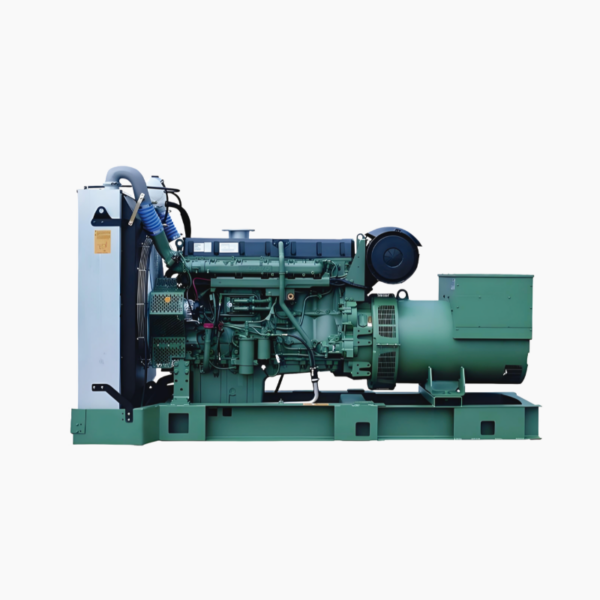
In practice, comparing a volvo 500kva genset to other brands means checking how each handles continuous thermal stress, alternator cooling, and transient response during load steps. Volvo’s designs tend to prioritize robust block cooling and modular service access — that reduces service time on-site. Other manufacturers may offer lower up-front cost but require more frequent maintenance, which adds operational cost over the genset lifecycle.
Cost vs reliability — where owners slip
Many buyers focus on CAPEX and forget OPEX. Choosing a cheaper unit often means higher fuel usage and more repairs. Be strict: request fuel burn charts and maintenance intervals. Also confirm availability of parts in your region — long lead times ruin redundancy plans. A small lesson from fieldwork — if service teams can’t reach spares within 72 hours, your redundancy plan is shaky. — That delay bites during monsoon season.
Common mistakes and how to avoid them
Avoid these recurring pitfalls: undersizing (kVA), ignoring heat rejection requirements, and skipping control-panel integration tests with the site ATS. Include load bank testing in your procurement: that verifies prime power ratings under controlled conditions. Also insist on documented transient voltage response and droop characteristics so sensitive equipment like UPS and SCADA systems stay stable.
Practical selection framework
Use a short weighted-scorecard: Availability of local after-sales (30%), fuel efficiency at typical load (25%), control and ATS compatibility (20%), proven reliability (15%), and noise/emission compliance (10%). Assign each supplier a score and run the numbers. This keeps the decision objective — and helps when stakeholders argue over brand preference.
Real-world anchor and proof
Large commercial sites in Kuala Lumpur and critical healthcare facilities routinely specify genset suppliers who can demonstrate uptime records and fast local support. Historical events like regional storms have shown that units with clear service pathways and documented maintenance plans maintain operations when others fail. That’s the practical evidence procurement teams want to see.
Three golden rules for final choice
1) Match kVA to both peak and continuous load profiles — size for the highest realistic continuous duty, not just momentary peaks. 2) Verify local service and spare parts delivery times — a good supply chain beats a slightly cheaper unit. 3) Insist on full load bank testing and documented fuel-consumption curves at your expected load points. These three metrics separate good buys from false economies.
Closing thought
Choose a genset maker who scores well on those rules and gives you clear service pathways; that’s where long-term value lives. For many projects the engineering clarity and local support offered by established suppliers bring the operational certainty teams need — and that’s exactly the kind of reliability Huadong Power has built into its offer. Huadong Power — dependable, practical, ready for the site. –