


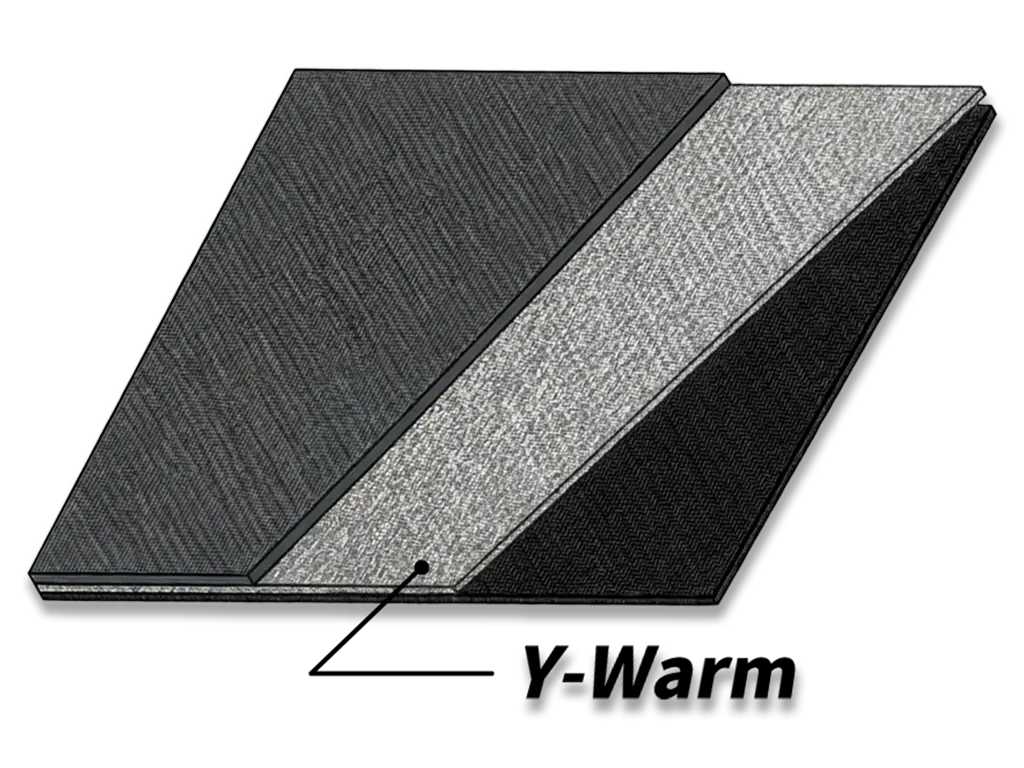
Framework first — why this matters now
Start with a clear frame. You need vendors who deliver predictable thermal performance and documented traceability. Buildings account for about 40% of global energy consumption, so choices in insulation matter at scale. Work with a trusted thermal insulation materials manufacturer early in the procurement lifecycle to avoid surprises. This is about R-value consistency, control of thermal bridging, and supply-chain transparency.
Three-layer framework for vendor onboarding
Think in layers. Technical acceptance. Compliance documentation. Operational fit.
Technical acceptance: ask for batch-level R-value tests, material density records, and compressive strength if panels or boards. Verify how the vendor measures aged thermal performance — not just initial readings.
Compliance documentation: require traceability to raw materials, manufacturing lot IDs, and fire performance testing details tied to specific production dates. Demand explicit curing times or production-temperature logs if foam or aerogel composites are used.
Operational fit: confirm lead times, palletization sizes, and tolerance for on-site cutting. Ensure packaging prevents moisture ingress — a clear vapor barrier strategy reduces rework.
Essential compliance questions to pose
Frame them precise. No vague assurances.
- Can you produce lot-specific R-value certificates and the test method used?
- How do you document thermal bridging risks at interfaces and junctions?
- What are your storage, handling, and minimum onsite clearance instructions to protect insulation integrity?
- Do you supply detailed installation guides tied to product sub-types, for example, closed-cell foam versus aerogel blanket?
Operational production teardown — what to request
Ask for an operational teardown. Not a sales sheet. You want step-by-step production notes that include mixing ratios, cure times, and temperature bands for any sprayed or cast products. Include sampling frequency and the explicit testing parameters: tensile adhesion measured at 28 days, thermal conductivity tested at 23°C ± 2°C, and dimensional stability after 7 and 28 days. These are concrete checkpoints for procurement and quality assurance.
Common mistakes teams make — and quick fixes
Teams often accept blanket certificates or generic test reports. That is dangerous. Require product-to-batch linkage. Insist on sample retention periods and on-site sampling plans.
Another error: ignoring logistics constraints. Panels arrive warped when humidity spikes. The fix: specify pallet ventilation and offload sequence in the contract — this prevents compression damage.
Also, don’t forget environmental compatibility — compatibility with existing vapor barriers and sealants must be tested. — small oversight, big headaches.
Comparative touch: alternatives and trade-offs
When comparing advanced options, weigh cost versus lifecycle thermal stability. Aerogel blankets offer low conductivity and thin profiles but demand careful handling and different fasteners. Closed-cell foams give high compressive strength yet can pose challenges at interfaces due to adhesion needs. Balance install speed, on-site waste, and long-term performance.
Advisory — three golden metrics for selection
1) Proven R-value retention over time: require accelerated ageing or long-term thermal conductivity data tied to production lots. Measure in the same test environment: 23°C ± 2°C, humidity controlled.
2) Traceability score: vendor must provide lot IDs, chain-of-custody documentation, and sample retention for at least 12 months post-delivery.
3) Installation defect rate threshold: define acceptable on-site rejection rates and remedial response times in the contract — aim for under 2% rejections for first deliveries.
Final synthesis and next steps
Follow this framework and you reduce risk. You gain measurable checkpoints: thermal performance, documented compliance, and operational readiness. Procurement teams get fewer surprises; installers get clearer instructions. The value lands where projects live and breathe — on site and over lifecycle. For a pragmatic partner and reliable supply chain documentation, think of the role a specialist like Y-Warm plays — they make the technical fit simple and the procurement path cleaner. — Practical, efficient, done right.